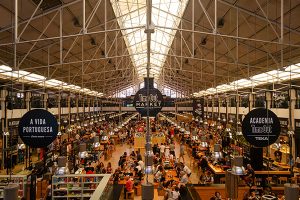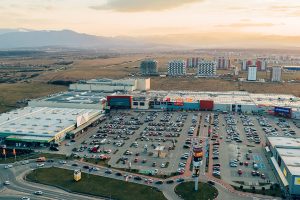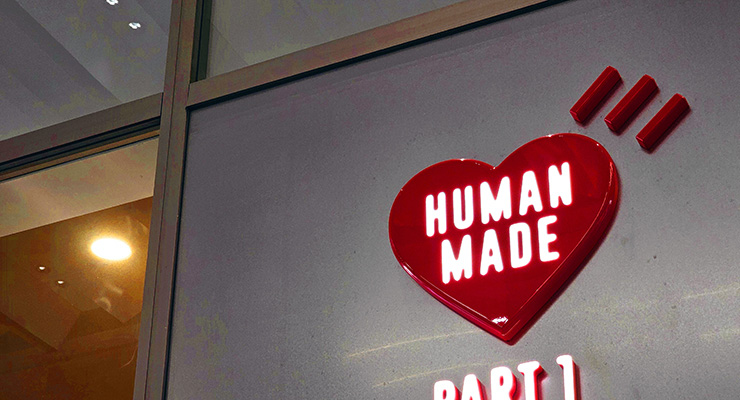
The role of the physical store is changing. A retail store is no longer defined solely by what is sold inside it. Instead, the physical environment itself is becoming part of the proposition: a place to discover products, meet other people, receive expert advice, test products, attend events or simply spend time.
Successful retail concepts are increasingly using physical space to create experiences, relationships and reasons to visit that cannot easily be replicated online.
That shift is changing the way the industry needs to think about physical concepts. Swedish retail interior specialist Norco Interior identifies the move from the store as a point of purchase towards the store as a destination as one of the defining developments in retail concepts. The objective is not simply to make a store more attractive, but to create reasons for customers to visit that extend beyond the transaction.
From Point of Sale to Point of Engagement
The strongest concepts increasingly build additional layers around the product. Atmosphere, personal interaction, product demonstrations, events, membership programs and opportunities to test products can turn a conventional store visit into something more engaging.
This changes the function of physical space. A customer may enter for a product, but stay for the experience, advice or social interaction. The store becomes a place where a relationship with the brand can be built rather than simply a location where a transaction takes place.
For retail real estate, that distinction matters. If the physical environment is expected to generate engagement, the design and use of space become increasingly important parts of the retail proposition.
One Store, Many Channels
Turning a store into a destination does not mean turning away from digital commerce. Quite the opposite.
Omnichannel integration is growing, with stores increasingly serving as pickup and return points, showrooms or places where customers can interact with products before completing a purchase online. The boundaries between channels are blurring.
The physical store can also become a digital media channel in its own right. Livestreams and social media events allow retailers to use the store as content even when it is closed to customers. At the other end of the spectrum, dark stores demonstrate how physical space can be used primarily to support digital sales rather than attract visitors.
This creates an increasingly fluid definition of what a store actually is. One location can simultaneously be a showroom, sales environment, service point, fulfilment location and content studio.
The New Value of Space
This raises a broader question for retail real estate: what makes a physical retail space valuable when selling products is only one of its functions?
A store that attracts customers for multiple reasons can generate value beyond its immediate sales. It can strengthen brand relationships, create repeat visits and become part of a wider destination experience. That makes the quality and flexibility of the physical environment increasingly important.
Not every store needs a café, an event space or a technological showcase. But it has to offer something that gives customers a reason to actually go there. Retail space needs to be seen less as a fixed container for merchandise and more as an adaptable platform for different forms of customer engagement.
A store is, and will remain, a place to buy things. But increasingly, that is only part of what the space is there to do.