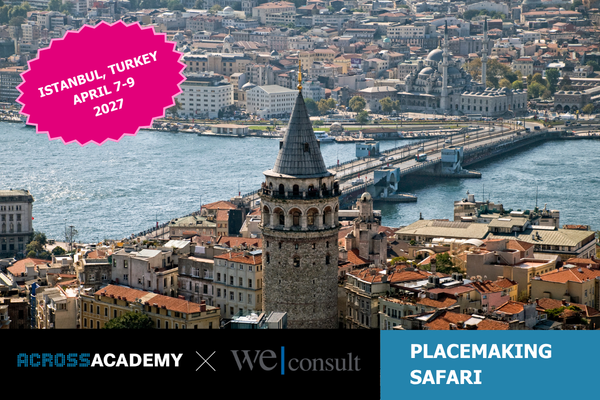
[ACROSS Placemaking Safari] Galataport Istanbul: Reconnect the City with its Waterfront
Peter Sempelmann
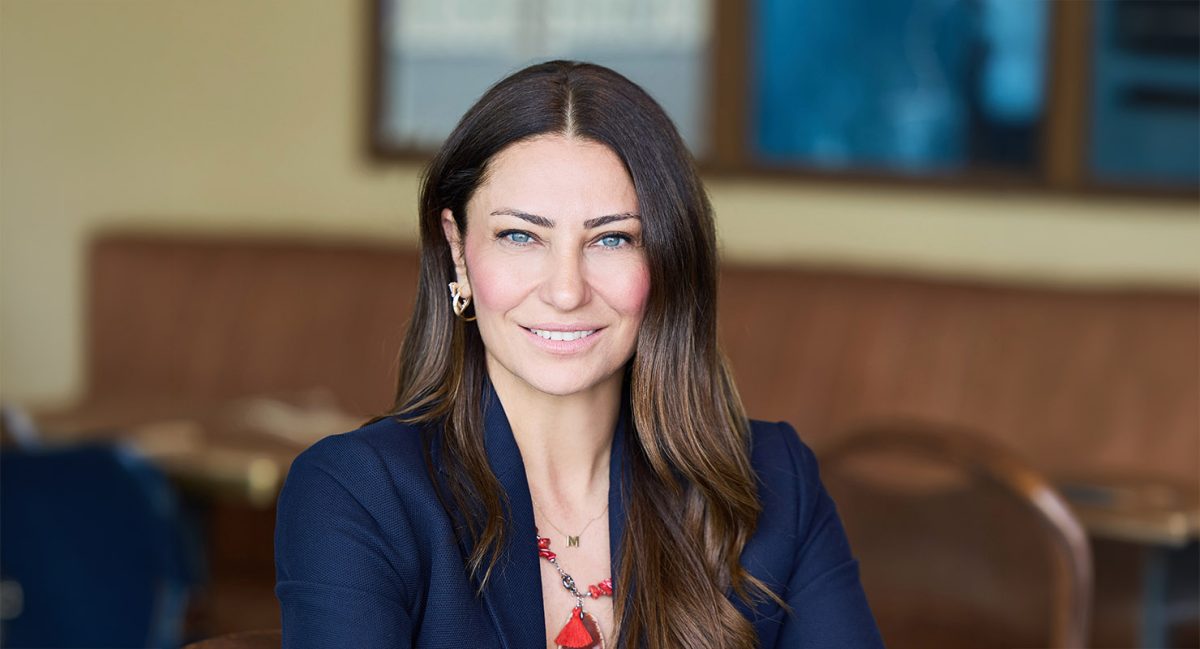
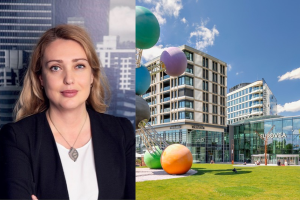
Meriç Aslibay, Leasing and Facility Management Director of Galataport Istanbul, on transforming a historic waterfront into a mixed-use destination where retail, culture, gastronomy and public space work together.
ACROSS: Galataport has transformed one of Istanbul‘s historic waterfronts into a vibrant mixed-use destination. What do you consider the project‘s greatest achievement?
Meriç Aslibay: Over the past 20 years, Türkiye’s retail real estate sector has evolved in response to changing investment patterns, consumer behavior and technological advancements.
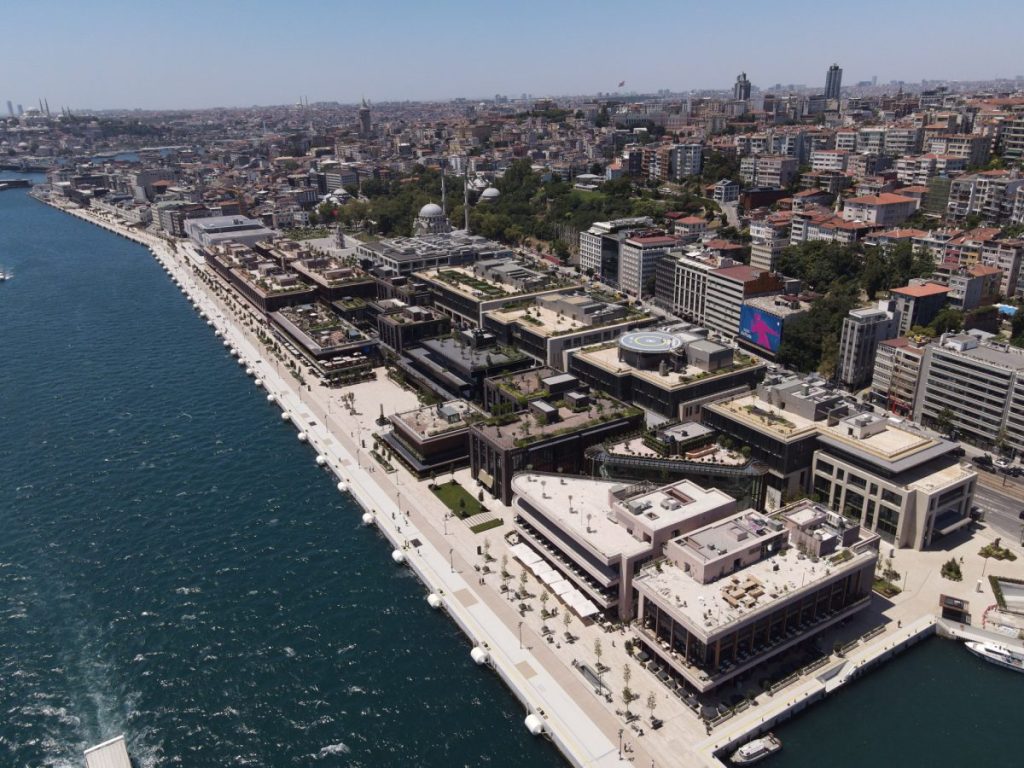
Our greatest achievement is opening to the public a part of Istanbul that had been closed off for nearly 200 years. More than anything else, Galataport Istanbul has reconnected this historic waterfront with the city and its people.
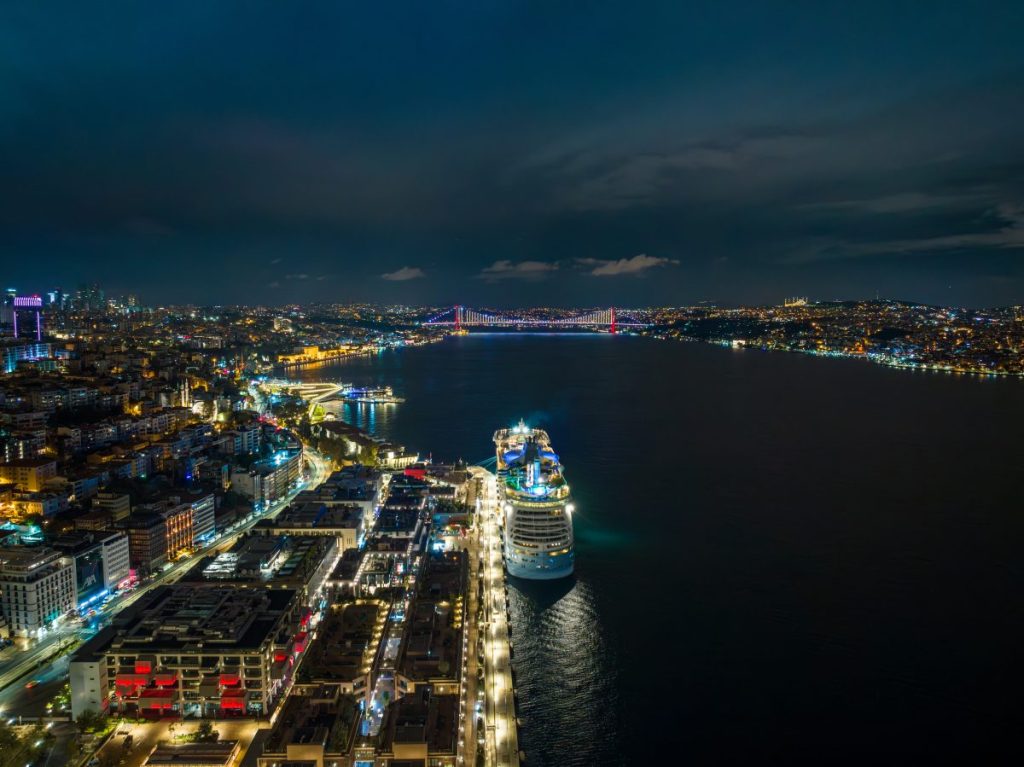
We have evolved a multifaceted waterfront district, bringing together two museums, the world‘s first and only underground cruise terminal, a hotel, retail and some of the city‘s most prominent food and beverage destinations, alongside historic landmarks including two mosques, Tophane Pavilion and a historic fountain.
Galataport welcomes cruise passengers, tourists, office workers, museum visitors and Istanbul residents. How do you make such different audiences work within one destination?
It requires a carefully considered and seamless experience from the very beginning. For cruise passengers, we designed a flexible gate system that opens and closes according to operational needs, allowing passengers to pass safely through the customs-controlled area and enter the city, while visitors to the waterfront can enjoy an uninterrupted experience.
The project was designed with sensitivity to the character and urban fabric of Karaköy. By preserving its street-level character and maintaining its connection to the surrounding neighborhood, Galataport remains highly accessible and offers a unique environment for shopping, visiting museums, dining and enjoying a walk along the waterfront.
Galataport combines retail, gastronomy, culture, hospitality and public space. How has this broader mix changed the way you think about retail real estate?
From the outset, Galataport was conceived as more than a cruise terminal. It was designed as a mixed-use destination where visitors can have a different experience every time.
This represents a shift from focusing on individual assets and their specific functions towards a more integrated model in which different uses complement and strengthen one another. Retail, gastronomy, culture, hospitality, offices and public space are not separate components. They work together to create a destination that remains active and relevant.
The value of the real estate is therefore not defined solely by the function of each asset, but by the overall experience and the connections created between them.
“A successful mixed-use destination is the result of orchestrating its individual components.”
Unlike a traditional shopping center, Galataport also competes with the city itself. How do you What should make visitors feel: “This could only be Galataport. This could only be Istanbul”?
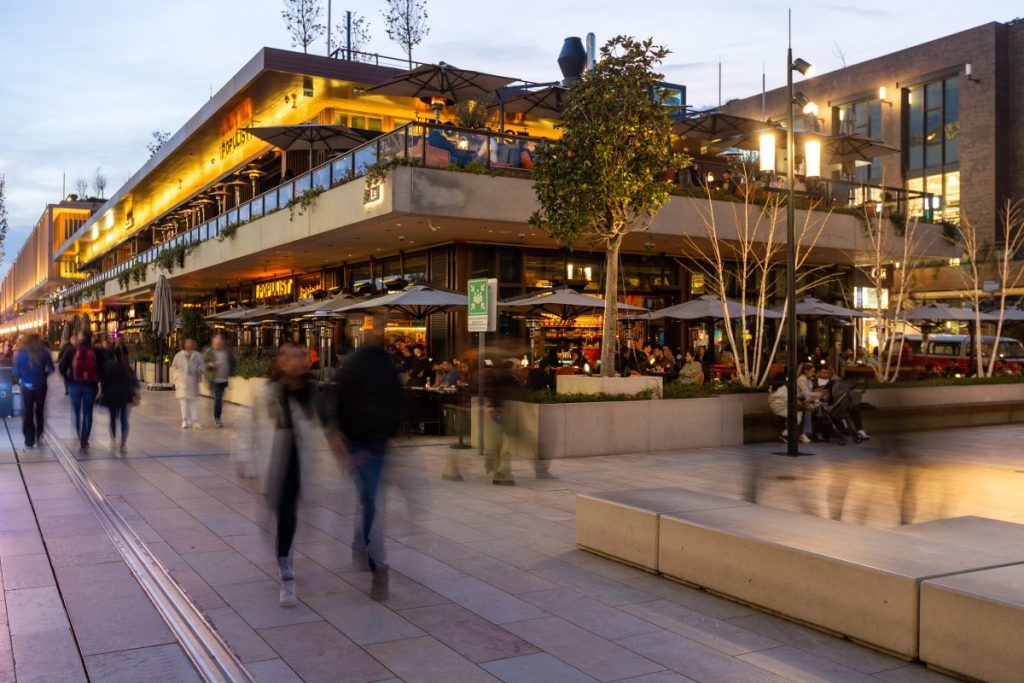
Galataport‘s unmistakable character begins with its unique setting along the Bosphorus. It is also a destination where there is enough to do for an entire day: visitors can begin with a morning walk or exercise by the water, continue with a meal and a museum visit, and join prestigious events that are open to the public and free of charge.
Our event program means there is always an activity likely to appeal to every visitor. Whether they come alone or with their families, visitors encounter a safe, comfortable and smoothly operated destination. This combination of the Bosphorus, diverse experiences, inclusivity and operational excellence is what makes Galataport feel unmistakably Istanbul.
From an operator‘s perspective, what actually creates commercial success in placemaking?
Placemaking is more of a marathon than a sprint. At a mixed-use destination that welcomes approximately 14 million visitors a year, no single element is sufficient: not architecture, the right tenant mix, gastronomy, cultural programming or events.
What determines commercial success is the ability to orchestrate all these disciplines consistently and with a long-term perspective. A decision made today can affect visitors, tenants, operations and the perception of the destination several years from now.
Outstanding architecture can create value, but that value erodes if operational processes do not work properly. A strong brand and food and beverage mix can draw people in, but without an authentic culture around the place, visitors will not form a real connection with it. Commercial success is therefore less about deciding which element matters most and more about how coherently they are orchestrated.
How do retail, offices, museums, public spaces and cultural venues strengthen one another?
All these uses strengthen one another. Office workers are among the most important customers of our retail and food and beverage venues, while museum and event visitors almost invariably stop for a coffee or a meal. Whatever their main purpose for visiting, guests tend to add another experience to their time at Galataport.
The Istanbul Museum of Modern Art and the Istanbul Museum of Painting and Sculpture add another dimension to the destination. Together with our public spaces and exceptional setting directly across from the Historic Peninsula, these uses create a strong commercial and cultural synergy.
Surrounded by historic buildings and the Bosphorus, Galataport attracts local visitors and international tourists.
What lessons from Galataport could be valuable for developers and operators across Europe?
One of the clearest lessons is the importance of strong stakeholder management and coordination. In a project of this scale, where so many functions and interests coexist, success depends on aligning public authorities, operators, tenants, cultural institutions and the surrounding neighborhood around a shared long-term vision.
Galataport also demonstrates that mixed-use developments need to respond to the changing value people place on time and experience. The goal is not simply to bring different functions together but to create an environment where retail, food and beverage, culture, entertainment, work and public space complement one another, giving people back their time while making it more meaningful and enjoyable.
“The combination of the Bosphorus, diverse experiences, inclusivity and operational excellence is what makes Galataport feel unmistakably Istanbul.”
Participants of the ACROSS Placemaking Safari will visit Galataport. What do you hope they will take away?
I hope they will experience, against the unique backdrop of the Bosphorus, how the world‘s first and only underground cruise terminal operates and how its complex operations are integrated with the retail destination, historic buildings and surrounding neighborhood.
I would particularly like them to see how accessibility, operational excellence and sustainability come together within a large-scale mixed-use destination. Sustainability for us is an ongoing process that requires attention to detail.
Most importantly, I hope they leave with a sense of how a mixed-use project can become much more than the sum of its individual components and how it can create a destination that is accessible, sustainable, operationally efficient and truly connected to the city.
Meet Meriç Aslibay and explore Glataport Istanbul
Galataport will be among the locations to be visited during the ACROSS Placemaking Safari in April 2027.
We use cookies on our website to give you the most relevant experience by remembering your preferences and repeat visits. By clicking “Accept All”, you consent to the use of ALL the cookies. However, you may visit "Cookie Settings" to provide a controlled consent.
This website uses cookies to improve your experience while you navigate through the website. Out of these, the cookies that are categorized as necessary are stored on your browser as they are essential for the working of basic functionalities of the website. We also use third-party cookies that help us analyze and understand how you use this website. These cookies will be stored in your browser only with your consent. You also have the option to opt-out of these cookies. But opting out of some of these cookies may affect your browsing experience.
Necessary cookies are absolutely essential for the website to function properly. These cookies ensure basic functionalities and security features of the website, anonymously.
Cookie
Duration
Description
cookielawinfo-checkbox-advertisement
1 year
Set by the GDPR Cookie Consent plugin, this cookie is used to record the user consent for the cookies in the "Advertisement" category .
cookielawinfo-checkbox-analytics
11 months
This cookie is set by GDPR Cookie Consent plugin. The cookie is used to store the user consent for the cookies in the category "Analytics".
cookielawinfo-checkbox-functional
11 months
The cookie is set by GDPR cookie consent to record the user consent for the cookies in the category "Functional".
cookielawinfo-checkbox-necessary
11 months
This cookie is set by GDPR Cookie Consent plugin. The cookies is used to store the user consent for the cookies in the category "Necessary".
cookielawinfo-checkbox-others
11 months
This cookie is set by GDPR Cookie Consent plugin. The cookie is used to store the user consent for the cookies in the category "Other.
cookielawinfo-checkbox-performance
11 months
This cookie is set by GDPR Cookie Consent plugin. The cookie is used to store the user consent for the cookies in the category "Performance".
CookieLawInfoConsent
1 year
Records the default button state of the corresponding category & the status of CCPA. It works only in coordination with the primary cookie.
elementor
never
This cookie is used by the website's WordPress theme. It allows the website owner to implement or change the website's content in real-time.
viewed_cookie_policy
11 months
The cookie is set by the GDPR Cookie Consent plugin and is used to store whether or not user has consented to the use of cookies. It does not store any personal data.
Functional cookies help to perform certain functionalities like sharing the content of the website on social media platforms, collect feedbacks, and other third-party features.
Performance cookies are used to understand and analyze the key performance indexes of the website which helps in delivering a better user experience for the visitors.
Analytical cookies are used to understand how visitors interact with the website. These cookies help provide information on metrics the number of visitors, bounce rate, traffic source, etc.
Cookie
Duration
Description
_ga
2 years
The _ga cookie, installed by Google Analytics, calculates visitor, session and campaign data and also keeps track of site usage for the site's analytics report. The cookie stores information anonymously and assigns a randomly generated number to recognize unique visitors.
_gat_gtag_UA_135750163_2
1 minute
Set by Google to distinguish users.
_gid
1 day
Installed by Google Analytics, _gid cookie stores information on how visitors use a website, while also creating an analytics report of the website's performance. Some of the data that are collected include the number of visitors, their source, and the pages they visit anonymously.
Advertisement cookies are used to provide visitors with relevant ads and marketing campaigns. These cookies track visitors across websites and collect information to provide customized ads.