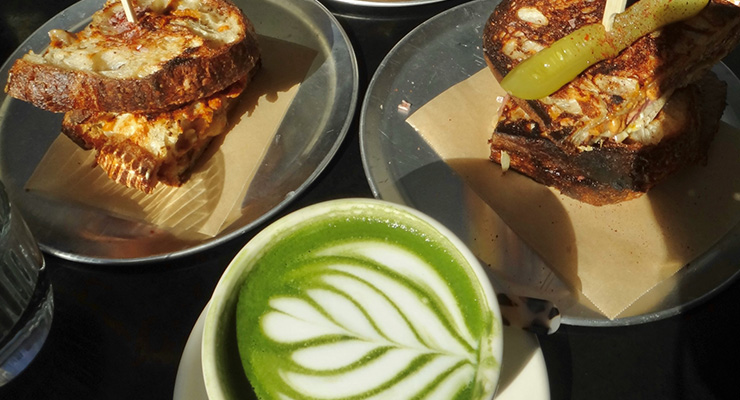
Analysis of six months of transaction data (comparing H1 2026 with H1 2025) shows that restaurants are the only major food and beverage category to decline year-on-year, with spending down 3%. By contrast, cafés and coffee shops grew by 5%, while food-to-go increased by 2%.
The findings suggest consumers are not abandoning eating out altogether, but are becoming more selective about where they spend. While average transaction values (ATVs) in restaurants increased by 2% year-on-year – broadly in line with inflation – the overall decline indicates fewer restaurant visits are taking place.
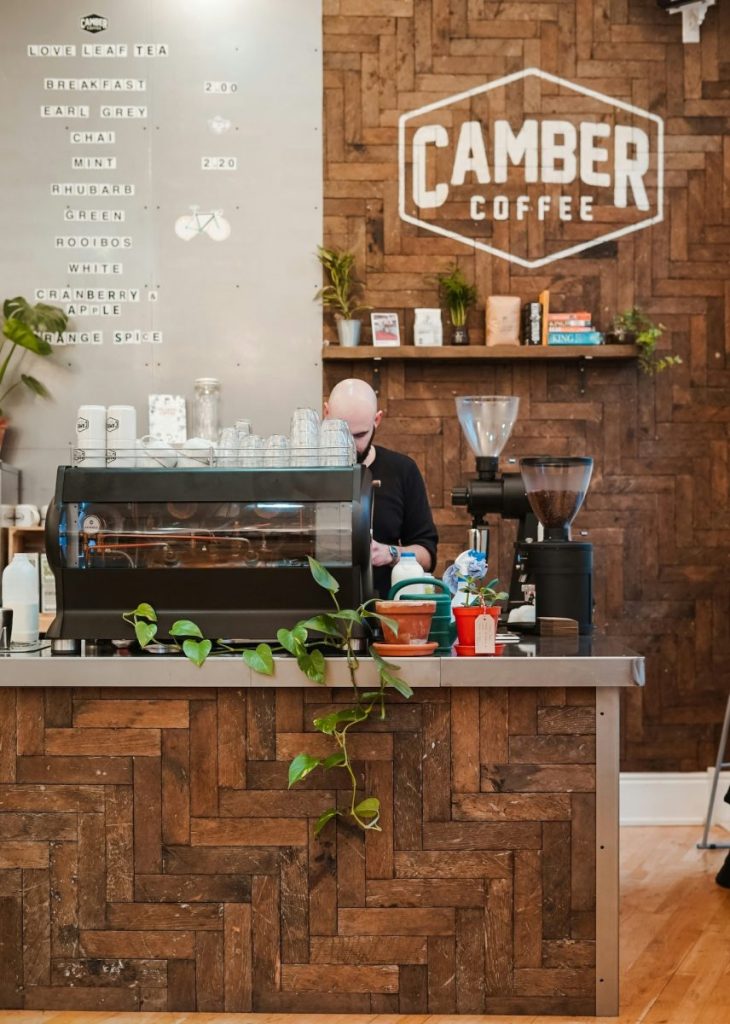
Coffee shops have been among the biggest beneficiaries of this shift. Fast-growing disruptors such as Grind (+17%) and Blank Street (+13%) have significantly outperformed the market, while more established brands Starbucks (+6%) and Costa (+4%) also recorded healthy growth.
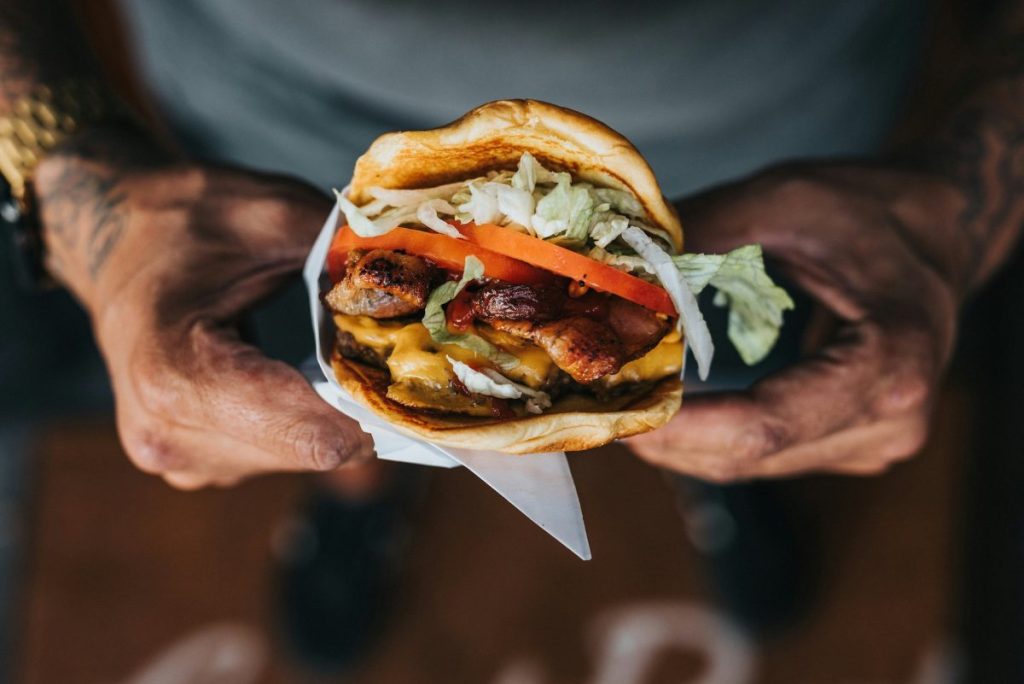
The food-to-go market presented a more mixed picture. Expansion-focused brands including Wingstop, Farmer J, and Atis all showed strong year-on-year growth, while more established high street operators such as KFC, Itsu, Tortilla, and Papa Johns recorded declines. The data also highlighted intensifying competition within the increasingly crowded fried chicken segment, meaning that expanding brands like Wingstop continue to gain market share at competitors’ expense. Looking ahead, the upcoming launch of Raising Cane’s is set to increase the pressure in this category.
CACI’s demographic analysis also points towards an affluence-driven behavioral shift rather than a regional one. The strongest increases in spend per visit came from the least affluent consumer groups, suggesting that many diners are substituting restaurant meals with higher-quality café or food-t0-go experiences. Among the Low Income Living Acorn category, average transaction values at cafés and coffee shops increased by 5.2% year-on-year – the largest increase of any demographic group. Meanwhile, both Low Income Living and Stretched Society recorded 6% growth in food-t0-go ATVs and 2.8% growth in pubs and bars, with these groups posting the strongest spend-per-transaction increases across all categories.
Martha Dobbs, Senior Consultant at CACI, commented: “A nationwide, affordability-driven shift in consumer behavior is reshaping where people choose to eat and drink out. Consumers are increasingly opting for cafés and more premium quick service experiences over full-service restaurants, and the less affluent consumers are leading the charge, suggesting many are reallocating budgets rather than cutting back on eating out altogether.
“It’s not all doom and gloom for restaurants though, rather an opportunity for future growth. These consumer spending patterns show clear preferences, which restaurants must consider if they want to demonstrate value beyond a traditional offering. The new quick-service style Pizza Express concept, which opened in Brixton this spring, is an example of an adaptation which can be made by established restaurant operators to capitalize on changing consumer habits. However, the appeal of restaurants over food-to-go concepts remains quality of experience. If restaurant brands focus their efforts on the experiential element of dining, they may just prove value and win back customer loyalty.”
This analysis of hospitality spend follows CACI’s announcement that shopping parks are no longer being defined solely by convenience-led, targeted visits, but are evolving into dynamic destinations, akin to regional malls, where consumers choose to spend time, dine, browse and socialize.
(dp)