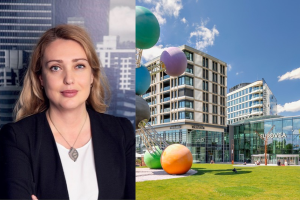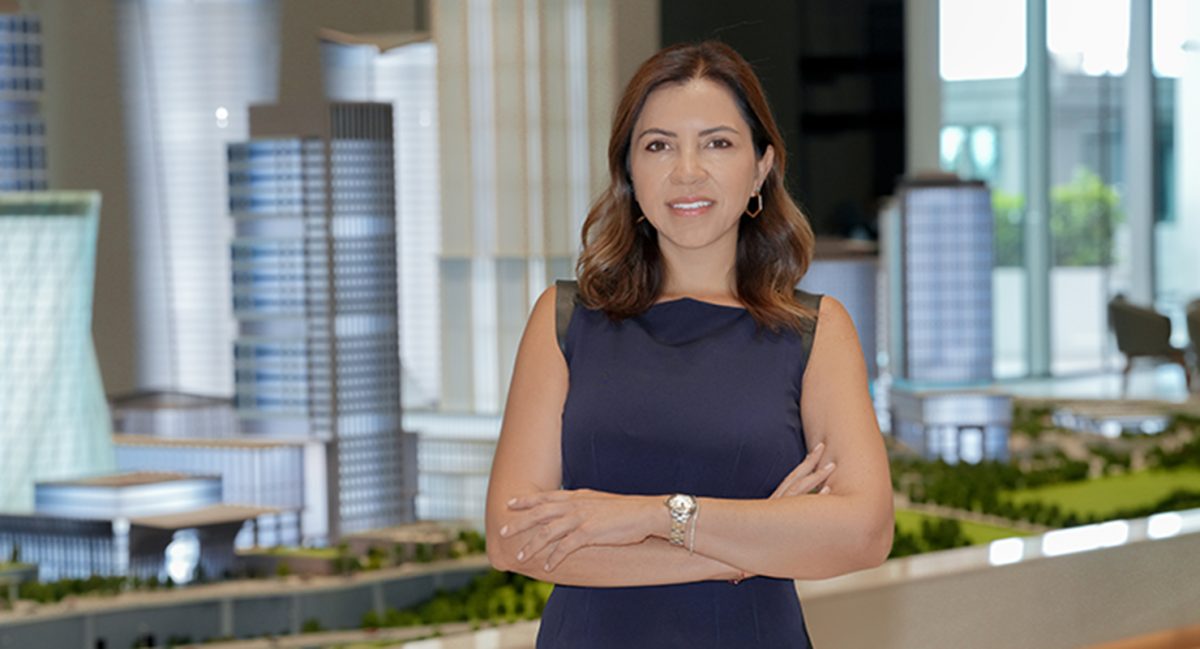
ACROSS: Mrs. Karakimseli, how would you judge the evolution of Türkiye’s retail real estate market over the past two decades?
Demet Karakimseli: Over the past 20 years, Türkiye’s retail real estate sector has evolved in response to changing investment patterns, consumer behavior and technological advancements.
Beginning in the mid-2000s, the expansion of large-scale shopping malls and organized retail investments contributed significantly to the sector’s growth. Following 2010, however, the growing influence of e-commerce and changing consumer expectations prompted a shift from expansion towards operational efficiency. During this period, the sector also moved beyond the traditional enclosed shopping mall towards integrated developments combining residential and office spaces, hotels, cultural venues and open-air retail areas. Physical retail increasingly became a place for social interaction, gastronomy and cultural experiences.
Türkiye has also produced a strong generation of homegrown retail brands. What role do they play?
Turkish brands have contributed significantly to the development of the sector by expanding their domestic networks and establishing an international presence. Their brand recognition and diverse product offerings support the commercial viability of retail real estate projects.
Their international experience has also enabled them to improve store concepts, customer engagement and operational standards. Their adaptability becomes particularly evident when international brands take a more measured approach to expansion. Turkish brands can respond quickly to changing market conditions and help maintain the continuity and occupancy of retail destinations.
They have therefore played an important role in sustaining the vitality of Türkiye’s retail real estate sector, particularly during periods of economic volatility.
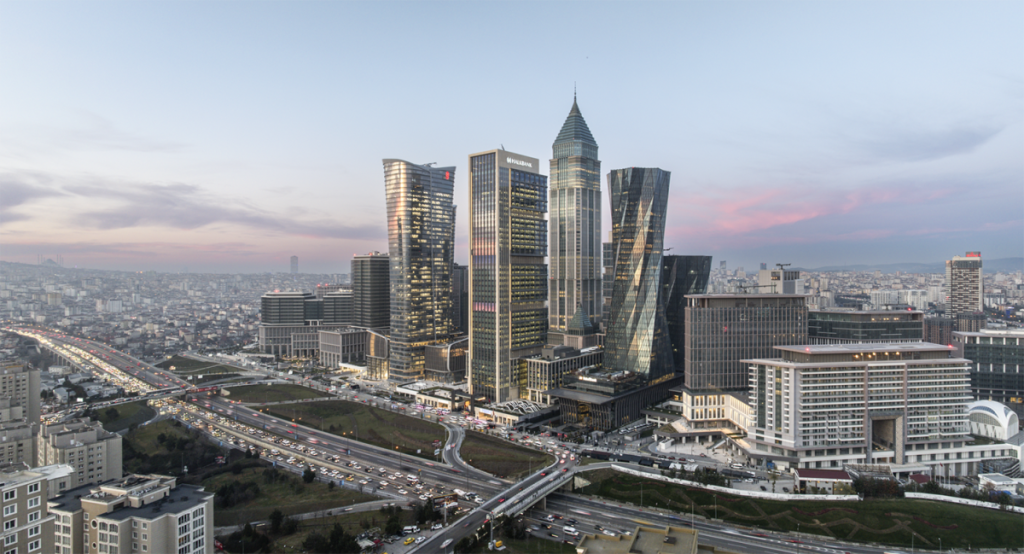
Istanbul Financial Center combines finance and technology with retail, gastronomy, culture and social spaces. What does that combination add to a financial district?
The idea is to bring business and daily life together. Regulators, banks, financial institutions, technology companies and professional service providers share a campus, creating an integrated financial ecosystem.
The retail component plays an important role in making that ecosystem work throughout the day. Istanbul Shopping Center provides professionals with options ranging from coffee between meetings and lunch to shopping and dining after work. Cultural and artistic events, exhibitions and social spaces add another dimension.
“The objective is not simply to extend working hours. It is to create a destination that has relevance at different times and for different groups.”
This creates an environment in which professionals can work, meet colleagues, take a break, enjoy gastronomy, participate in cultural activities and engage with the wider community without leaving the campus.
Istanbul’s geographic position reinforces the center’s role as a regional business hub, providing access to approximately 1.3 billion people and a market valued at around $30 trillion within a four-hour flight radius.
How do you keep a financial district alive beyond working hours?
This is an important consideration for us. We want IFC to function beyond traditional working hours and to attract different audiences throughout the day and week. Istanbul Shopping Center contributes through a diverse brand mix and a combination of retail, gastronomy, culture, arts, entertainment, social spaces and outdoor event areas. Fine dining and concept restaurants address evening visitors, while family-oriented spaces, children’s activities and cultural events create additional reasons to visit. The objective is not simply to extend working hours. It is to create a destination that has relevance at different times and for different groups.
Approximately 30,000 professionals currently work within the IFC, with that number expected to reach around 70,000 as the center develops towards full capacity. This creates a substantial and consistent daytime audience. At the same time, the environment is designed to welcome families, young people and other visitors in the evenings and at weekends.
What sets Istanbul Shopping Center apart?
Istanbul Shopping Center is an integral part of the broader IFC environment rather than simply a retail component. The 100,000-square-meter development combines retail, gastronomy, culture, arts and entertainment, bringing together local and international brands. It also moves beyond the traditional enclosed shopping center model through open-air streets, avenues and public squares, with 3.3 kilometers of pedestrian routes across two levels. The combination of a major financial center with retail, gastronomy, culture, arts and social life at this scale remains relatively uncommon, both in Türkiye and internationally.
“Physical retail increasingly became a place for social interaction, gastronomy and cultural experiences.”
Türkiye has developed considerable expertise in adapting retail environments to changing consumer expectations. What practices stand out to you?
The sector has demonstrated a strong capacity to adapt. Traditional leasing structures are increasingly complemented by turnover-based and hybrid models, while tenant composition is adjusted more flexibly in response to changing needs. Retailers are also experimenting with new formats, including pop-ups, experiential concepts and flagship locations. Gastronomy is becoming more sophisticated and socially oriented, rather than simply serving as an additional component of the tenant mix.
Technology will increasingly support this evolution. The ability to analyze visitor behavior and use those insights to optimize space, services and events will become more important, with artificial intelligence expected to be a key driver.
At IFC, technology is already integrated into areas such as security, access control, climate control, parking and emergency management. Sustainability is equally important, with a focus on efficient resource use, waste reduction, recycling, green spaces and lower-carbon transportation.
Successful destinations will increasingly need to combine experience, technology, operational reliability and sustainability.
Meet Demet Karakimseli and explore the Istanbul Finance Center
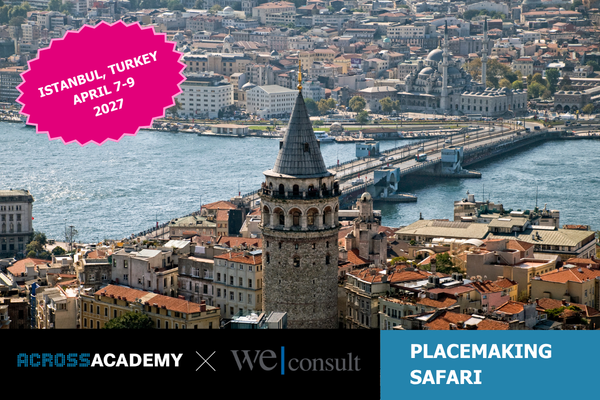
The Istanbul Finance Center will be among the locations to be visited during the ACROSS Placemaking Safari in April 2027.
REGISTRATION
ACROSS ACADEMY presents
PLACEMAKING SAFARI ISTANBUL
Istanbul | 7-9 April 2026
NOTE: Seats are limited. Secure your place now.
📩 REGISTRATION VIA FILLED OUT FORM EMAILED TO
Reinhard Winiwarter
Publisher and Managing Partner ACROSS Magazine
r.winiwarter@across-magazine.com
+43 1 533 32 60-80