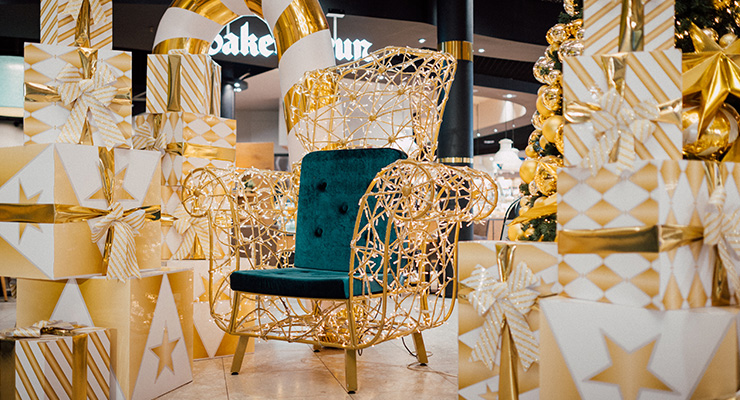
The first Christmas biscuits are already appearing on supermarket shelves, and soon the festive lights will be switched on too. But long before the first decoration is installed, the planning is already underway. For shopping centers, a successful seasonal illumination program involves much more than choosing attractive Christmas lighting. It needs to work across marketing, operations, technical requirements, visitor flow, safety and installation logistics.
Here are the key checks to make before your next seasonal project moves into production.
1. Define what the project needs to achieve
Start with the role seasonal illumination should play within the destination.
Is the priority to create a stronger arrival experience? Improve atmosphere in key retail zones? Introduce memorable photo opportunities? Connect different areas of the center? Support an existing Christmas program?
Clear priorities help creative and operational teams make better decisions later.
Before You Start: Agree the project objectives internally before discussing individual design elements.
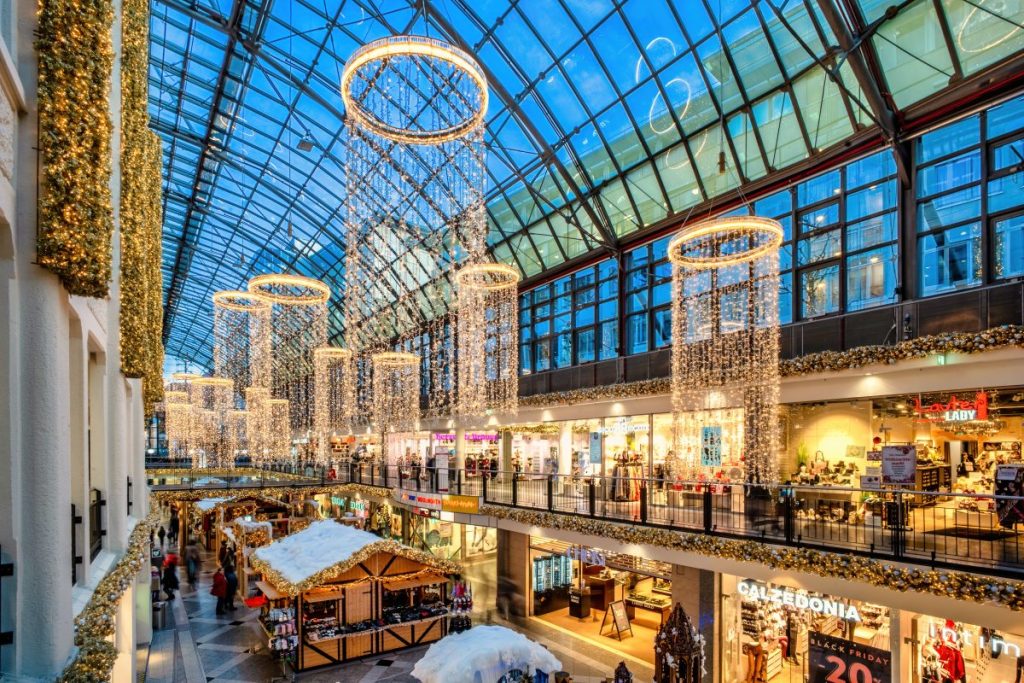
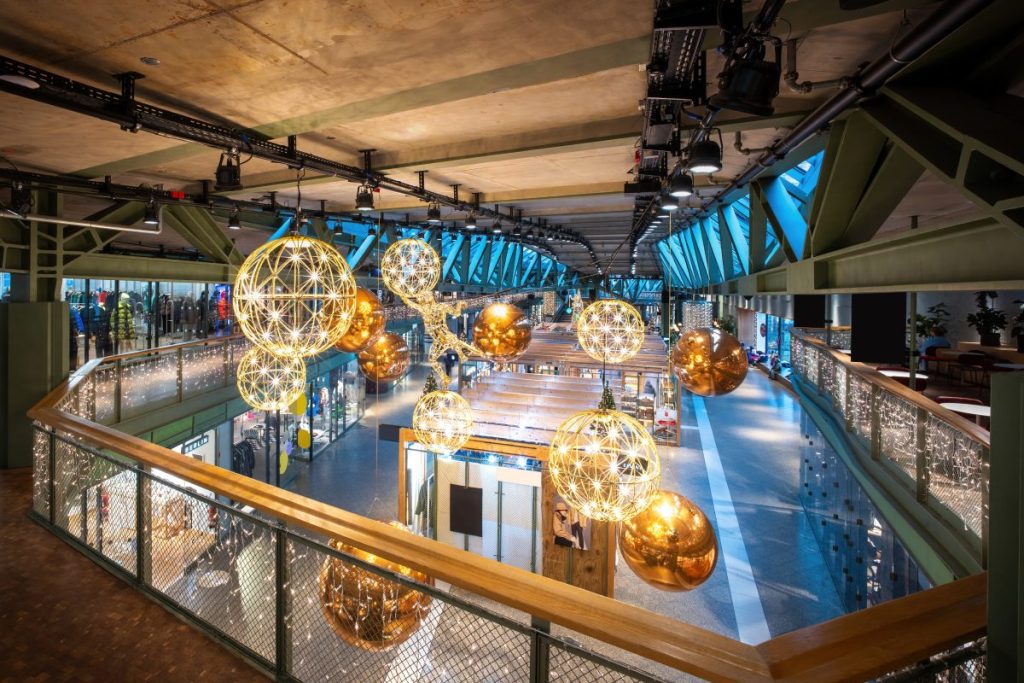
2. Review the site, not just the available space
A site assessment should consider more than dimensions.
Check fixing points, ceiling loads, power availability, access equipment, emergency routes, opening hours, façade conditions and installation restrictions.
Also consider how visitors naturally move through the shopping center. Important sightlines and transition points often provide better opportunities than simply filling the largest spaces.
Common Mistake: Developing a creative concept before verifying whether the location can support it technically.
3. Plan the visitor journey
Map the experience from arrival to departure.
Entrances should establish the seasonal identity. Main circulation routes should maintain visual continuity. Central spaces can carry larger statement pieces, while carefully placed features can encourage visitors to explore secondary areas.
Photo moments should be positioned where people can stop without disrupting circulation.
Expert Tip: Review the scheme from several visitor perspectives, including main entrances, escalators, upper floors and long-distance sightlines.
4. Design for day and night
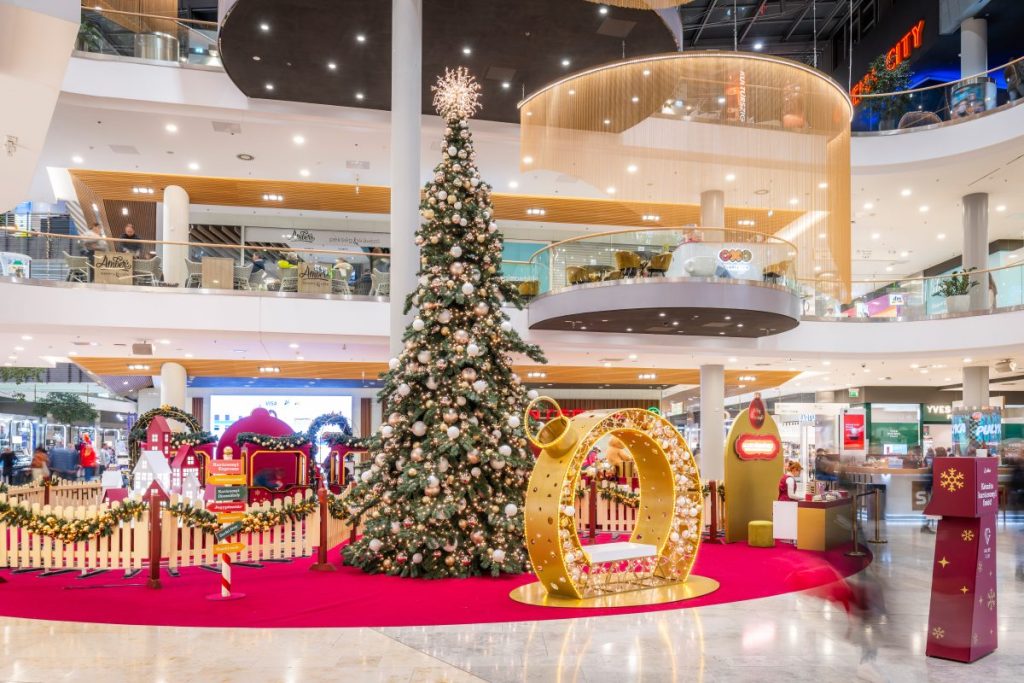
Seasonal illumination has to work throughout trading hours.
Materials, colors and forms should remain visually strong when the lighting effect is less dominant during daylight. After dark, illumination can add depth, sparkle and atmosphere.
Evaluate both conditions during concept development.
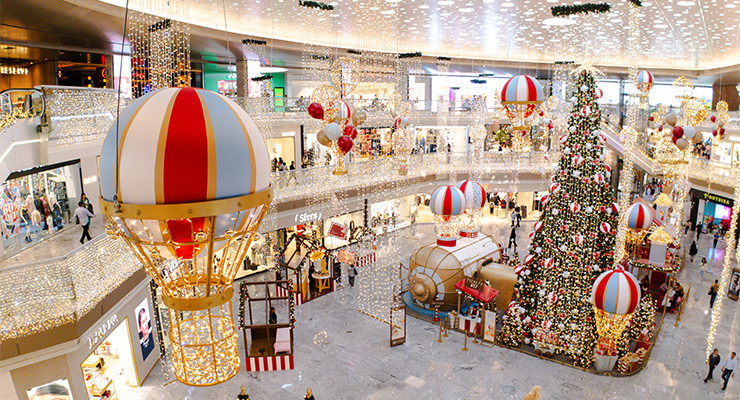
5. Build installation and maintenance into the plan
Consider how each element will be delivered, assembled, installed, powered, accessed and removed.
Maintenance access should also be planned from the beginning. Components that are difficult to reach can create unnecessary operational challenges during the season.
Quick Check: Can every major feature be safely installed and maintained without disrupting normal center operations?
6. Review after the season
Once the project is removed, bring the relevant teams together.
Document what worked well, where installation was difficult, which locations performed strongly and what should change next year.
MK Illumination Recommendation: Treat seasonal illumination as a repeatable planning process rather than a once-a-year decoration exercise. The strongest program improve because operational knowledge and creative learning are carried from one season into the next.
Planning your next seasonal illumination project? Contact our experts to discuss the opportunities, technical considerations and creative possibilities for your retail destination.