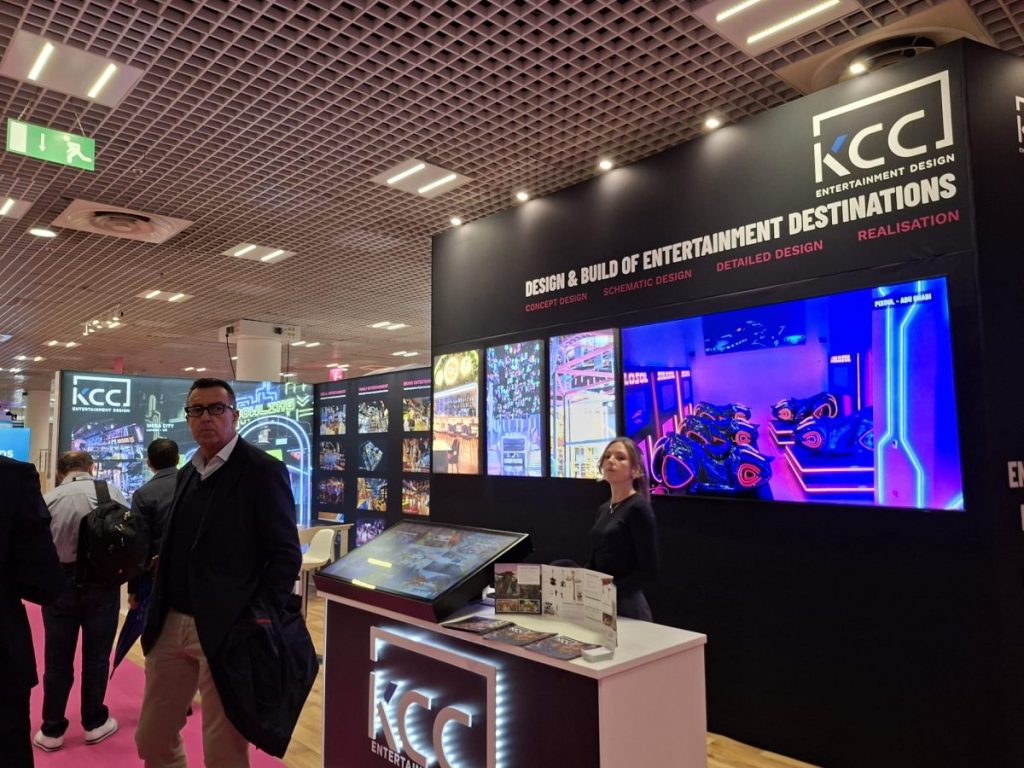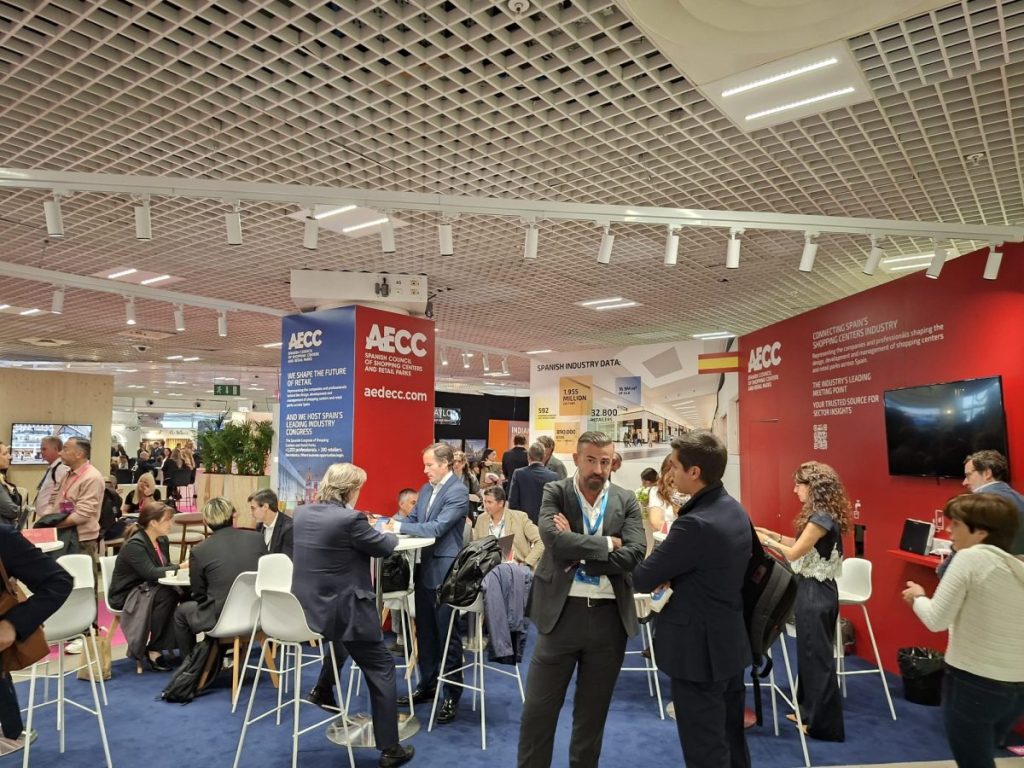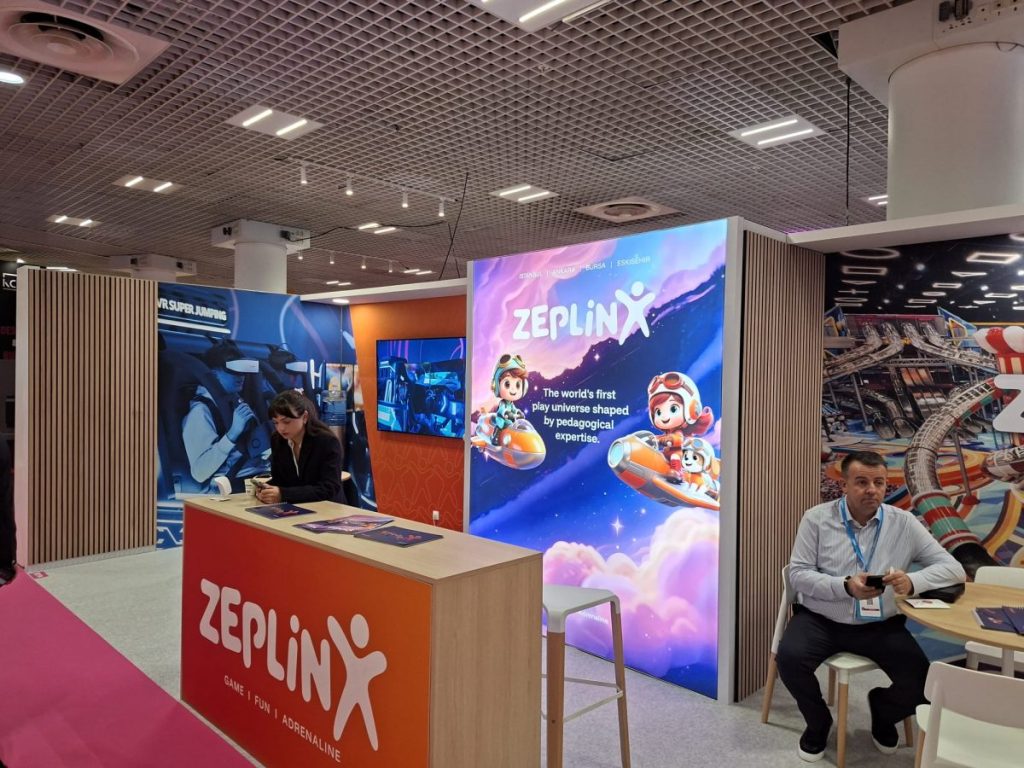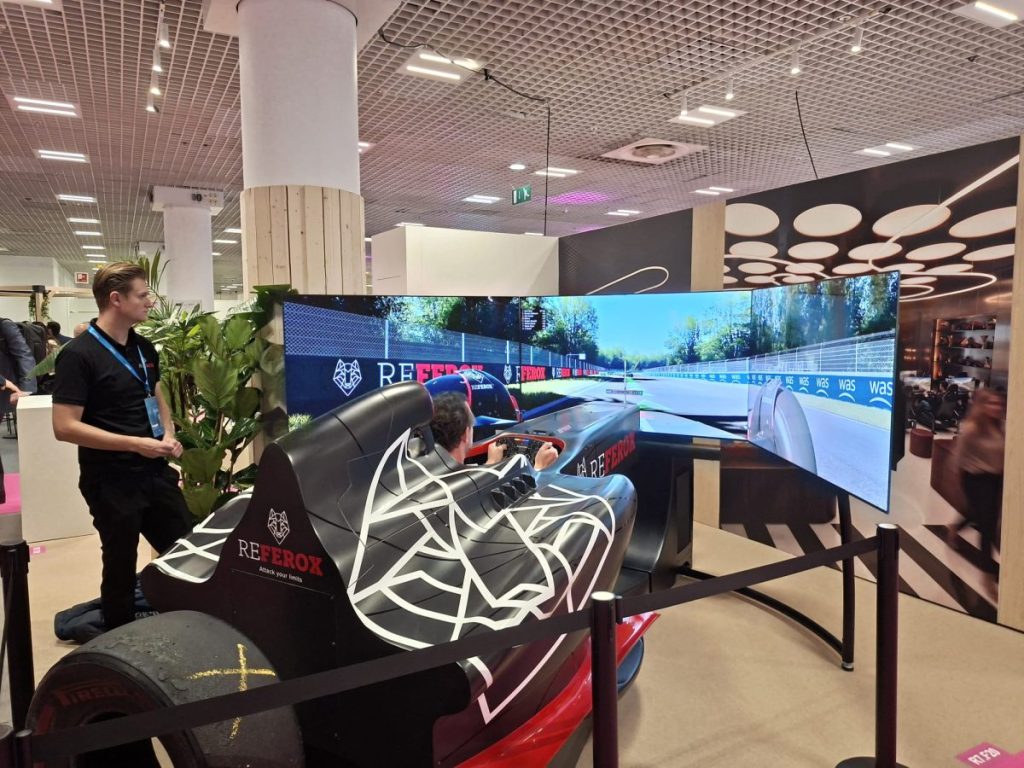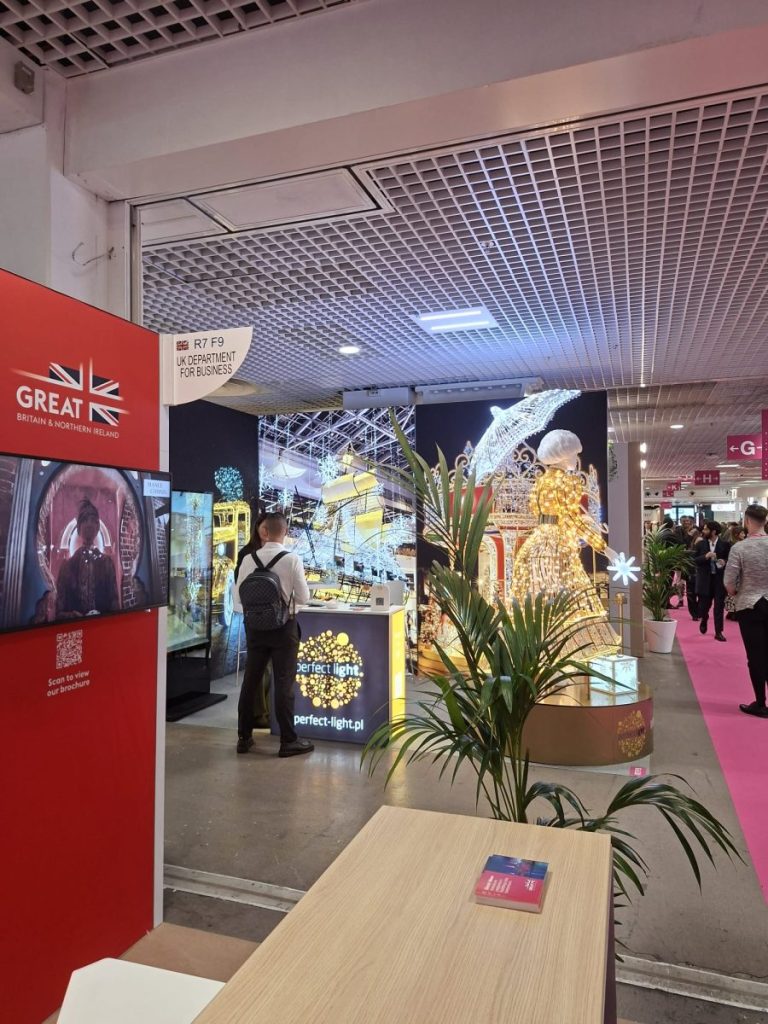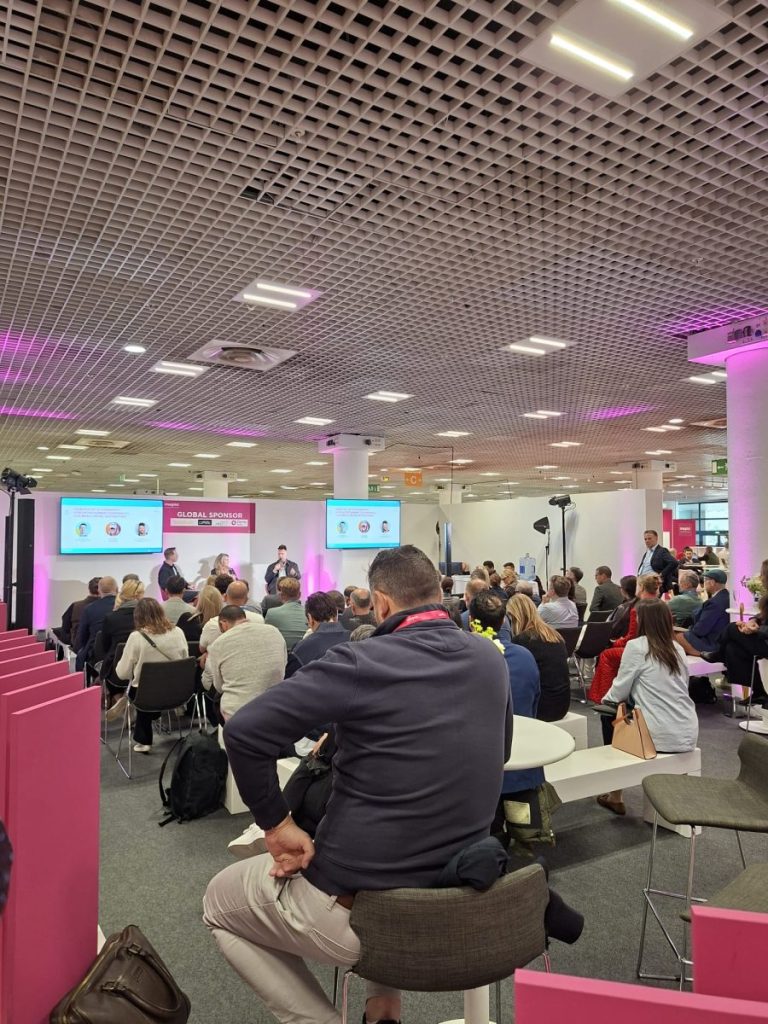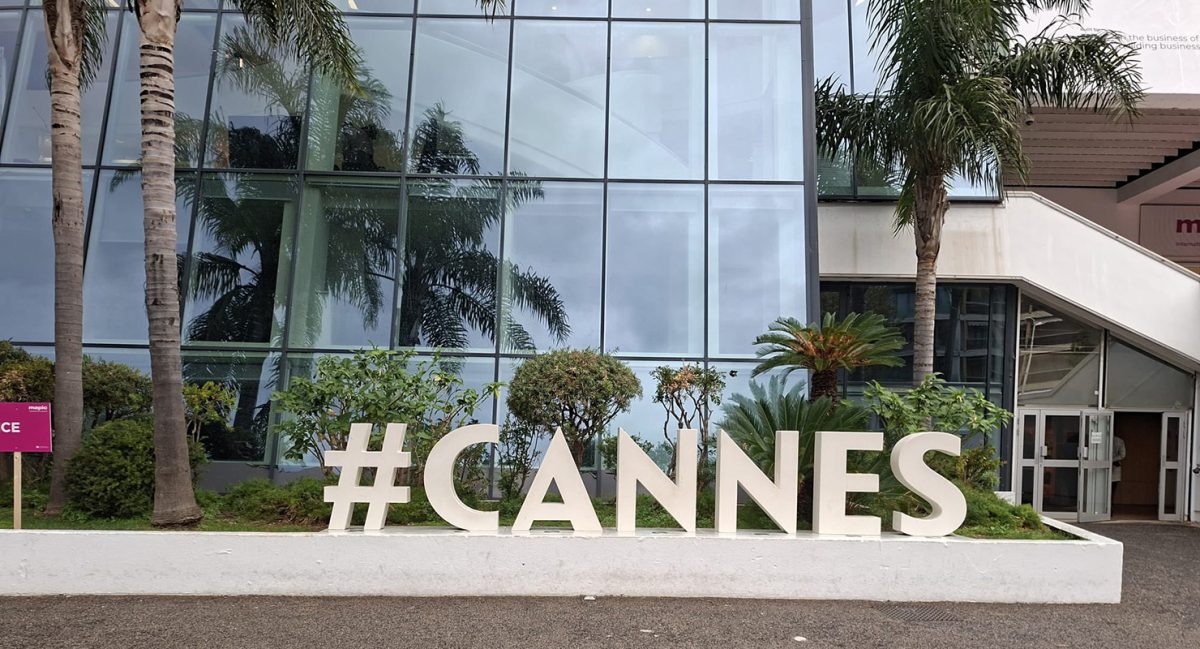
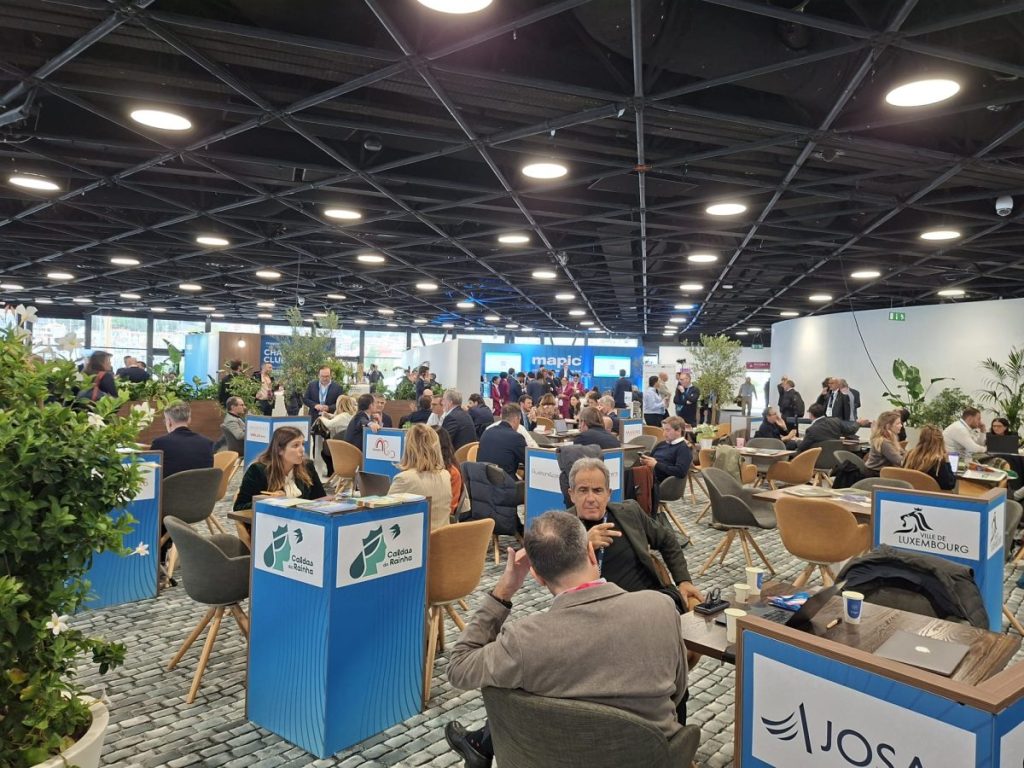
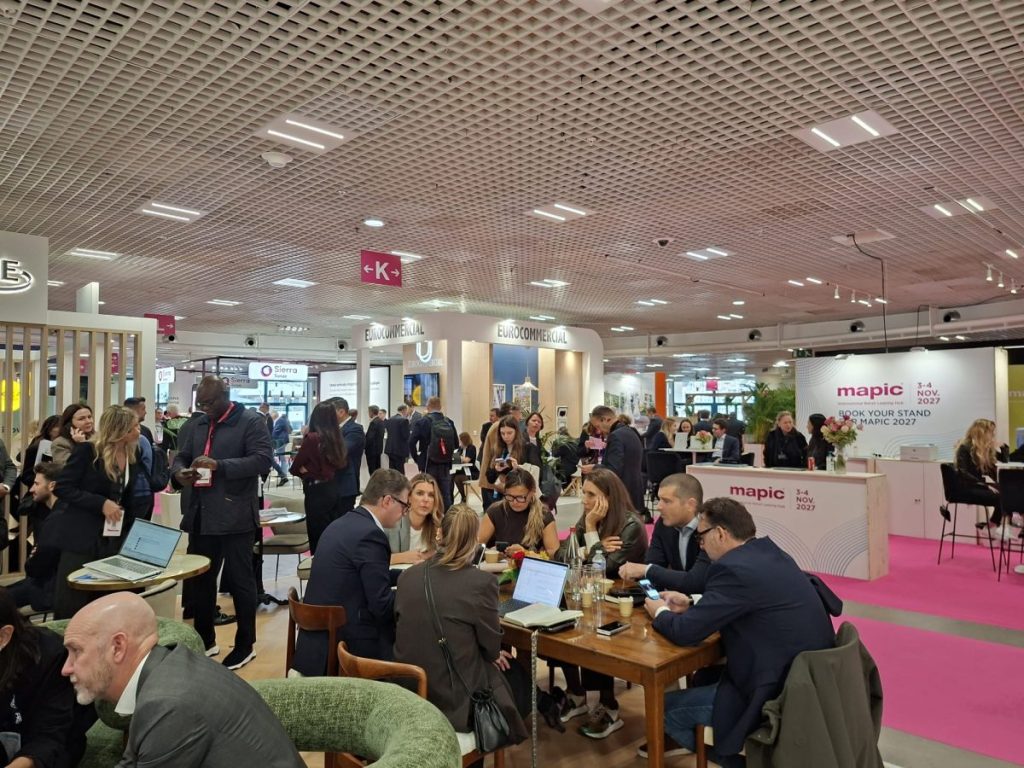
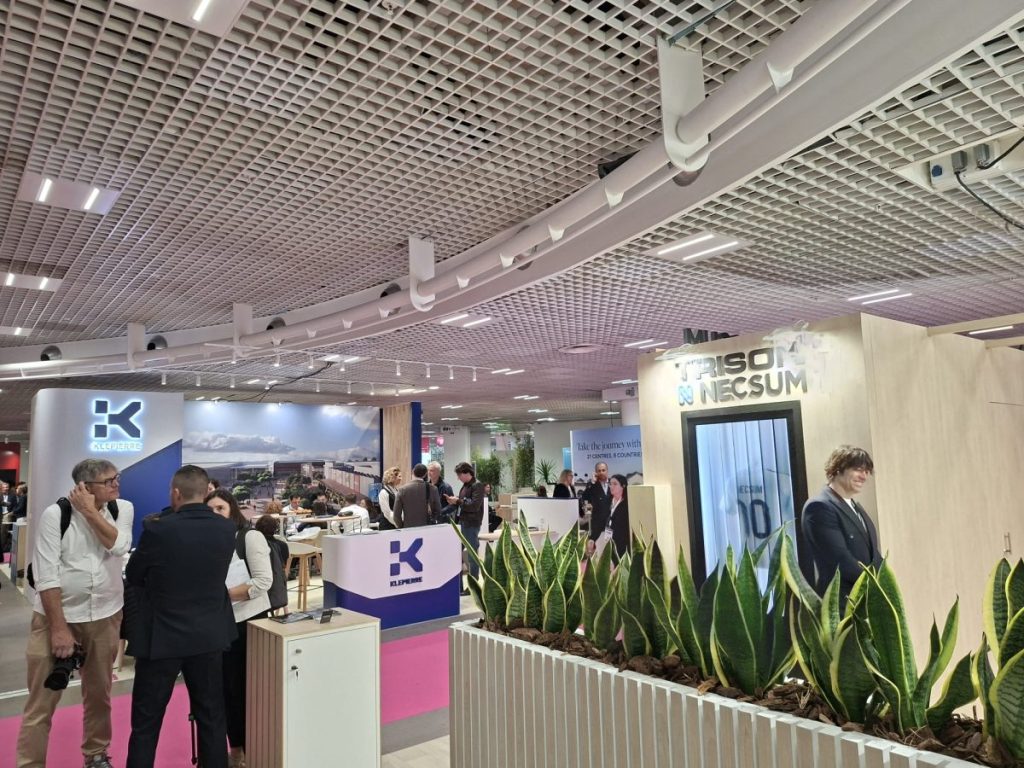
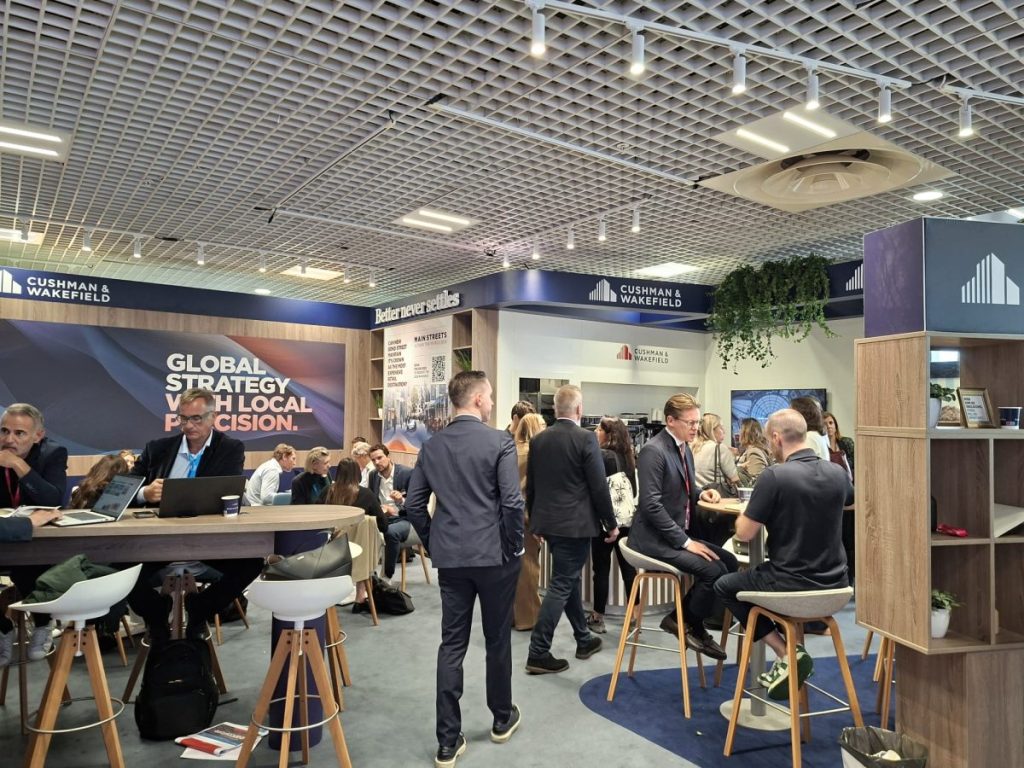
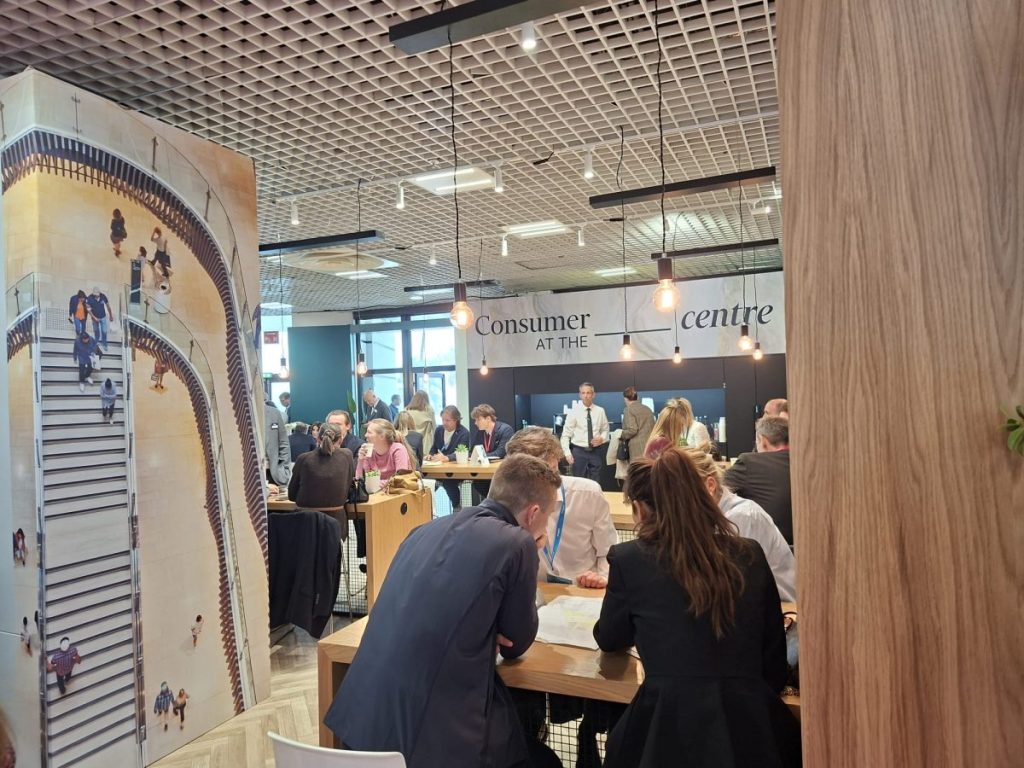
Nearly 3,600 participants, including around 1,000 retail brands, attended MAPIC in Cannes on November 3 and 4. That was fewer than the 4,000 recorded in 2025, but the number of retail brands increased by 10% to around 1,000. Retailers, food and leisure operators now account for more than 40% of participants. The figures point to a fair that is becoming smaller but more focused on the business of leasing and expansion.

That may be a sensible response to changing market conditions. The days of large-scale development pipelines and the race to add retail space are largely behind the industry in many European markets. Capital is returning to retail real estate, but it is selective. Investors are concentrating on formats and locations with clear prospects, while owners are increasingly expected to demonstrate their ability to actively manage and reposition existing assets.
For MAPIC, however, this transition also raises a question about its own future. The event has evolved into a compact two-day format, with more emphasis on business meetings and less on the large-scale exhibition presence of earlier editions.
The annual gathering in the South of France remains an important fixture in the industry‘s calendar. But Cannes and networking alone are no longer enough.
If MAPIC is to remain indispensable, it needs to offer more substance, sharper market intelligence, and discussions that genuinely help the industry navigate its next challenges.
A market that rewards selectivity
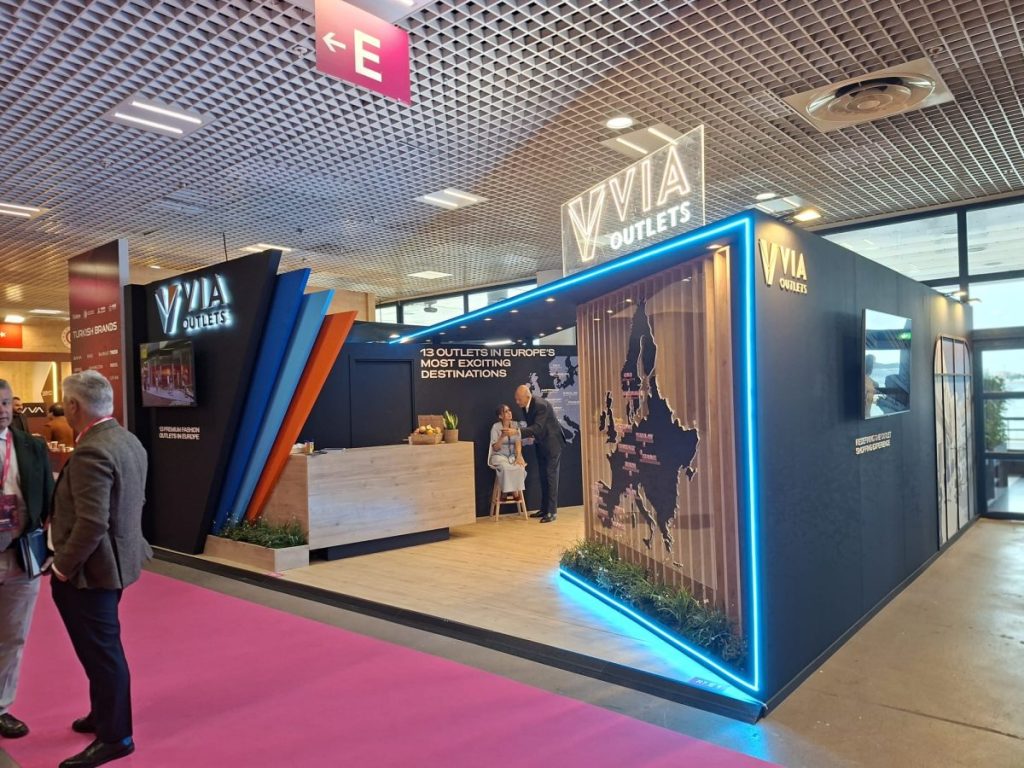
The discussions in Cannes reflected a retail real estate market with increasingly differentiated prospects. Retail parks and outlet centers continue to attract investor interest, while grocery-anchored properties benefit from relatively resilient demand.
Yet neither format is a guaranteed success. Retail parks, in particular, require a clear understanding of their operational model. Turning them into conventional shopping centers could undermine the flexibility and cost advantages that make them attractive in the first place.
For shopping center owners, the priority is increasingly to create value within existing properties. Refurbishment, extensions, alternative uses, and more carefully curated tenant mixes are gaining importance as development pipelines remain limited. This also changes the balance between landlords and retailers. With less new space coming to market and international brands looking for European locations, the right tenant has become a scarce asset in its own right.
Beyond shopping: the destination becomes more complex
The growing presence of leisure and food and beverage concepts in Cannes reflected another structural change. Physical retail increasingly competes not only through its merchandise offer, but through the reasons it gives people to visit. Entertainment, fitness, dining, wellness, and community-oriented uses are becoming integral parts of many retail destinations.
The idea of the shopping center evolving into a mixed-use urban destination is hardly new. What is changing is the urgency of putting it into practice. But this transformation also brings greater operational complexity. Managing a destination that combines retail with offices, leisure, healthcare, or residential uses requires different skills, partnerships, and investment decisions. Experience cannot simply be added as another tenant category; it needs to be part of a coherent strategy.
Interestingly, while artificial intelligence featured in the conference program, it was not the dominant topic in conversations around the event. The more immediate concerns were customer engagement, footfall, dwell time, convenience, and the role of physical places in people‘s lives. Technology may help operators address these challenges, but it cannot replace the human and social qualities that make destinations relevant.
MAPIC needs to move with the market
The 2026 edition offered useful signals about where retail real estate is heading. International brands are looking for opportunities, investors are returning selectively, and the focus is shifting towards active asset management and more diverse destination concepts.
But the event itself should not stand still. A smaller format can be more efficient, and a stronger retailer presence is certainly welcome. The next step, however, should be to deepen the value MAPIC offers beyond facilitating meetings: through more critical market analysis, meaningful debate, and a willingness to address the difficult questions facing the industry.
MAPIC remains an important meeting point for retail real estate. Its future relevance will depend on whether it can become an equally important place for shaping the industry‘s thinking. The fair will return to Cannes on November 3 and 4, 2027.