A growing number of shopping centers across Central Europe and the Balkans are turning to discounters to fill vacant space and generate additional footfall. On the surface, the strategy appears logical. Discounters provide strong brand recognition, attract customers, and can quickly absorb large units that might otherwise remain vacant.
Yet their increasing presence also raises a more fundamental question: Are shopping centers adapting to changing market conditions, or are they relying on short-term solutions that fail to address deeper challenges?
The retail landscape in the region has changed significantly over the past decade. Markets that once offered abundant growth opportunities have matured, while the overall supply of retail space has increased. Large, multi-purpose shopping destinations now compete for the same customers as smaller and older centers, intensifying competitive pressure across the market.
In this environment, introducing a discounter can appear to be an attractive solution. Vacant space is filled, footfall often improves, and leasing risk is reduced. However, the long-term implications deserve careful consideration.
A discounter can alter a center’s positioning and affect the performance of existing tenants. More importantly, it rarely creates a sustainable competitive advantage. Discount operators are expanding aggressively across many markets, meaning that their presence alone does little to differentiate one destination from another. What initially appears to be a solution may therefore become another factor contributing to the growing similarity of shopping centers.
A Trend Challenging The Industry
The challenge is particularly evident when competing against larger, multi-target destinations that combine premium brands, value retail, food and beverage, leisure, and services under one roof. In such cases, adding a discounter may increase traffic, but it does little to close the competitive gap.
For landlords, the more important question may therefore be how to strengthen the overall attractiveness of a destination rather than how to fill a single vacancy.
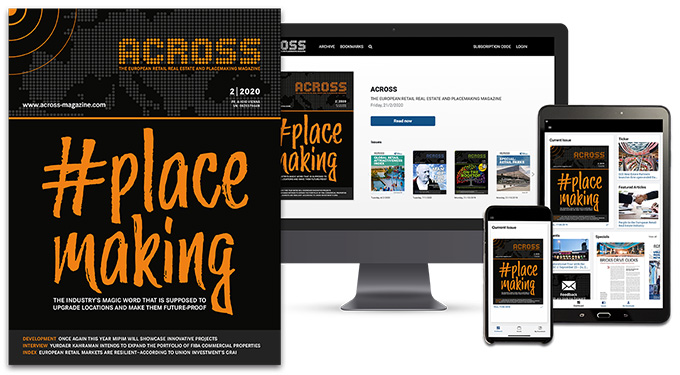
This is where placemaking becomes increasingly relevant. Successful repositioning rarely depends on one tenant or one leasing decision. Instead, it requires a comprehensive strategy that considers tenant mix, customer experience, food and beverage offerings, events, public spaces, and the overall identity of the destination.
Rather than asking which retailer can fill a vacant unit, owners should ask how every square meter contributes to the center’s long-term positioning and customer appeal. In many cases, this may require more fundamental changes to the asset, including the redesign of space, new leasing strategies, and a re-evaluation of the overall customer journey.
The temptation of quick fixes is understandable. However, in increasingly competitive retail markets, sustainable success is more likely to come from coherent repositioning strategies than from isolated leasing decisions.
Discounters may fill a vacancy. Placemaking creates a destination.