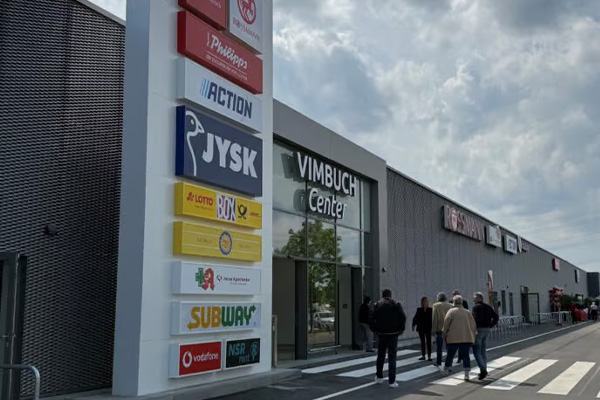
One of Europe’s most significant privately owned real estate companies, Redevco is strengthening its retail real estate arm by acquiring the 10,000 sqm large Vimbuch Center in Bühl, Germany. The retail destination is now revitalized and fully leased to REWE, Penny, Rossman and 11 other tenants for long-term.
ECE wins the contract for the management, further development, and repositioning of another shopping center in Turkey: the Adapalm Shopping Center in Adana.
Will Odwarka and Jonathan Doughty make one thing unmistakably clear: data is no longer a support tool in Europe’s F&B sector but the engine running the whole machine.
Data is reshaping retail real estate: When landlords, tenants, and tech providers share insights, collaboration replaces caution. From predictive analytics to AI-driven platforms, smarter partnerships are turning fragmented spaces into connected experiences and transforming relationships into resilient growth. Gareth Jordan, Director of Retail Advantage at ART Software Group, delves into data through client insights, demonstrating how shared innovation and intelligence are essential partners for growth.
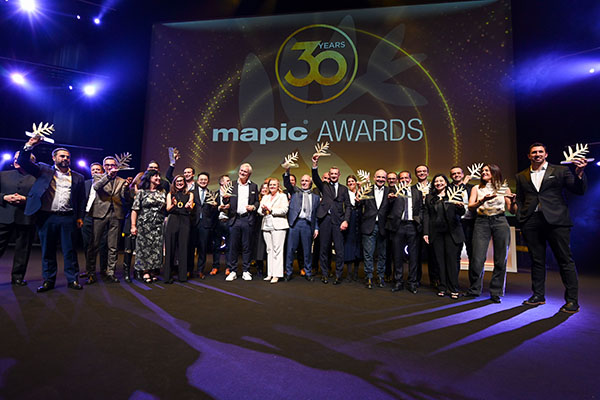
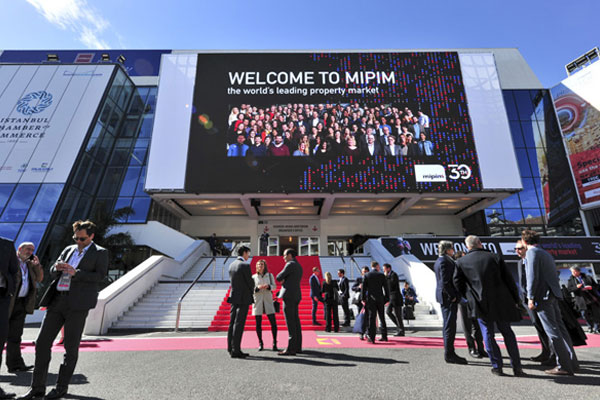
For its 30th anniversary, MAPIC awarded not only the brands and projects of the year but also the personalities, projects and brands of the last three decades.
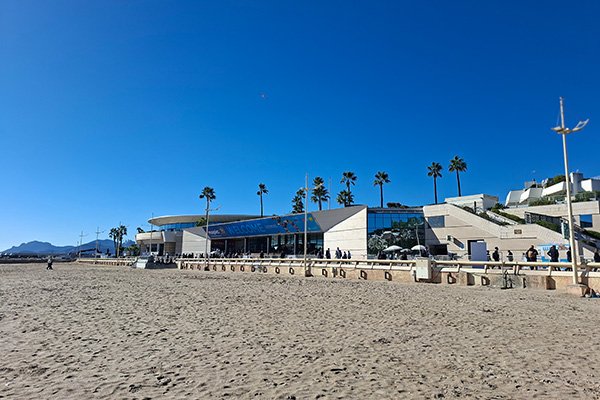
In its 30th year, MAPIC took a more introspective turn. The fair may have felt smaller and calmer, but behind the scenes, new ideas about the future of retail and placemaking are quietly taking shape.
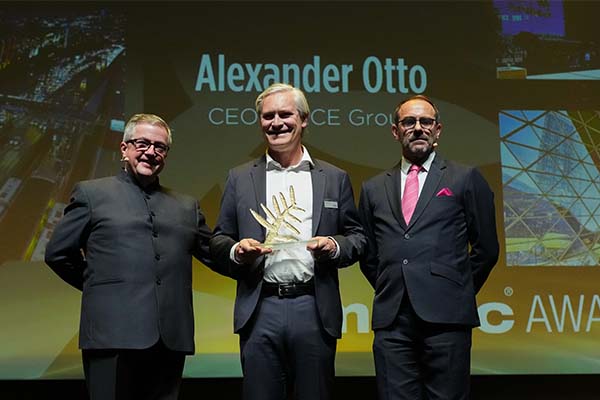
A special honor for Alexander Otto, CEO of the ECE Group: at this year’s MAPIC trade fair, Otto received the MAPIC Lifetime Award as a “Pioneer of Places” in recognition of his exceptional achievements and outstanding contribution to shaping and advancing the shopping center industry over the past three decades.
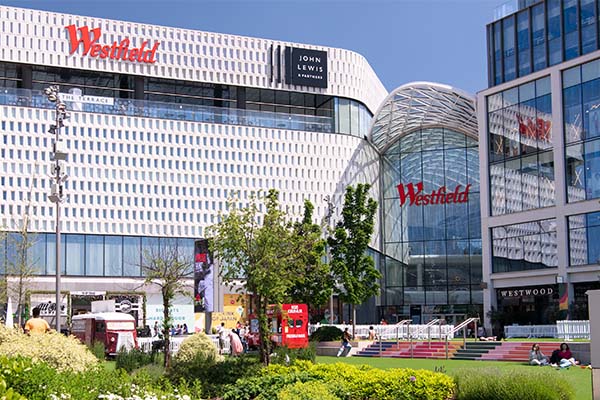
Unibail-Rodamco-Westfield (URW) has been awarded two times at MAPIC 2025, Europe’s most prestigious retail real estate show, held each year in Cannes, France. Westfield Hamburg-Überseequartier won Best Urban Regeneration Project and Westfield London was named the Most Influential Retail Property Project of the past 30 years.
Retail PIN, the German-based think tank for retail real estate, has published its new position paper, which explores how retail properties can generate impact today: economically, socially, and environmentally. The paper provides insights on management, leasing models, operations, and legal frameworks, offering a holistic perspective on the evolving retail property landscape.
As Europe’s retailers and landlords head into the most decisive quarter of the year, success hinges not only on footfall, but on clarity. With up to 40% of annual revenue at stake, real-time sales collection and automated reporting have become critical tools to track performance, manage risk, and capture opportunities. From tenant health to turnover rent, automation is transforming holiday trading from a logistical scramble into a data-driven advantage.
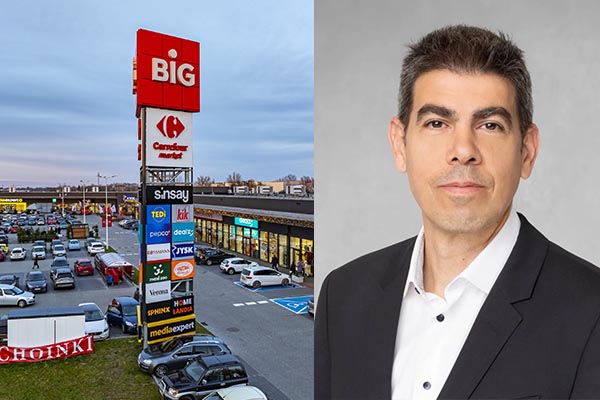
In Central and Eastern Europe, BIG has pursued a dual-track strategy: building a strong footprint in the Balkans via BIG CEE, and entering Poland only three years ago. Within this short period, the Polish arm has grown to a portfolio of 10 operating retail parks, with three more in development, making it one of the fastest-growing players in the country. To understand how BIG managed such rapid expansion in one of Europe’s most competitive retail markets, we spoke with Eran Levy, Chief Operating Executive of BIG Poland.
Shopping centers are more than just places to shop – they are lively marketplaces that help shape the life and atmosphere of both city centers and district centers with their diverse mix of industries and tenants and their wide range of services. Here are some prime examples from ECE’s center portfolio for that.
A €5 million investment in Austria’s largest indoor fun park strengthens the repositioning of Center West Graz as a leading leisure and entertainment destination.
Commercial advantage belongs to those who move with insight, not instinct: As much of Europe’s real estate market cools, the Nordics are bucking the trend, driving growth not through location alone, but by redefining value around experience, insight, and resilience. A new framework, the “Modern CRE Algorithm”, shows how smartly designed tenant experiences and data-driven intelligence are turning properties into thriving ecosystems.
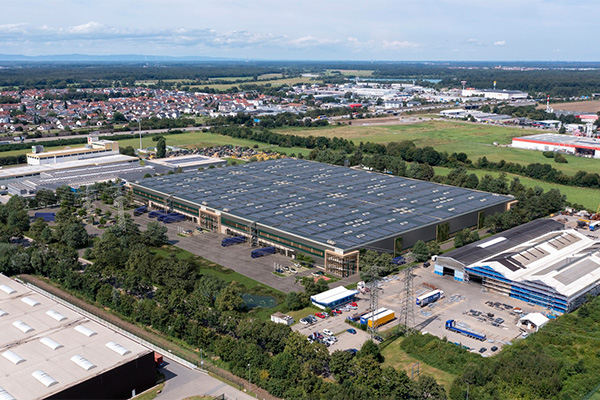
Redevco, one of Europe’s largest privately owned real estate managers, has completed its second loan investment, underscoring the growing momentum for its real estate debt business just six months after closing its debut deal. The €67 million loan will fund the acquisition and development of two Class A Mid-Box Logistics projects in Frankfurt and Karlsruhe, with a combined area of 63,000 sqm, by the Invesco Real Estate and Propel Industrial joint venture.
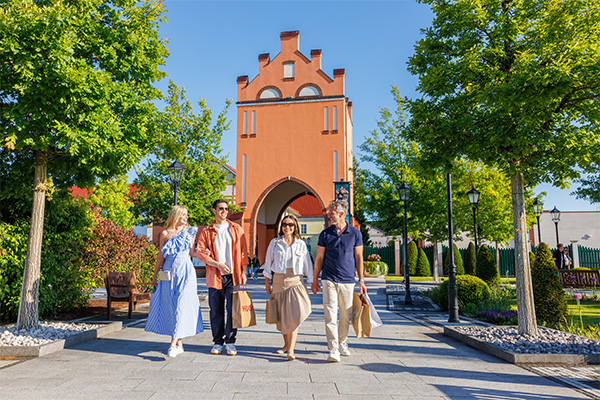
Designer outlet shopping is no longer considered a niche retail format. It has become a resilient growth story within the global retail real estate sector. Combining premium brands with guaranteed year-round value – outlets typically offer 30–70% savings on merchandise – drawing in shoppers who are increasingly value-conscious but still aspire to purchase luxury and lifestyle labels.
What if your shopping center could predict which tenant would fail three months before they knew it themselves? What if empty walls and busy corridors could generate as much revenue as the stores beside them? What if finding the perfect pop-up tenant took minutes instead of months?
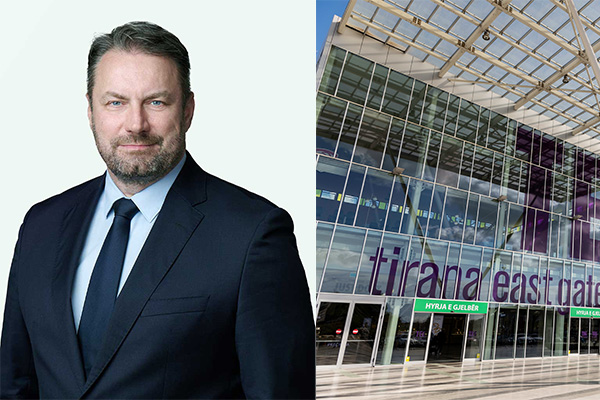
With malls, retail parks, hotels, and housing projects, BALFIN Group is setting new standards in Southeast Europe. In this interview, Vice President Csaba Toth outlines the expansion from the Balkans to Western markets and explains why digital innovation and an integrated approach make BALFIN a prime partner for investors and brands.
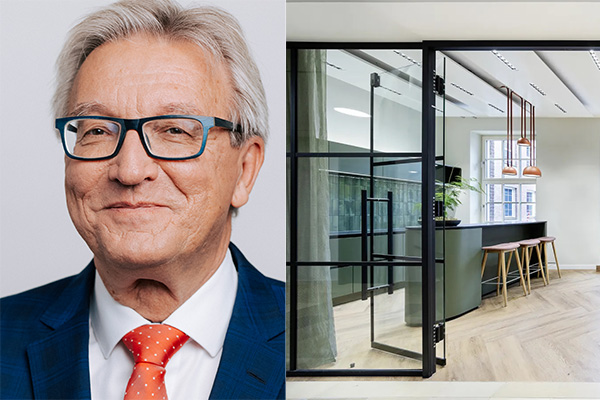
The traditional formula of “square meters times footfall” has become less and less relevant. Silvio Kirchmair, CEO of umdasch The Store Makers, explains why retail properties today need to be places that offer experiences, partnerships, and pleasant atmospheres to survive the retail revolution. Away from pure space and toward lively, multi-functional locations – that’s how brick-and-mortar retail can make a comeback.
In a world where square meters no longer guarantee success, Thomas Mark, President of MK Illumination Group, argues that the future of retail lies in how spaces make us feel. From safety to storytelling, light plays a pivotal role in transforming commercial real estate into places of belonging, optimism, and human connection. As retail shifts from transaction to transformation, emotionally intelligent design is becoming a strategic necessity not just to attract visitors but to inspire loyalty, community, and lasting value.
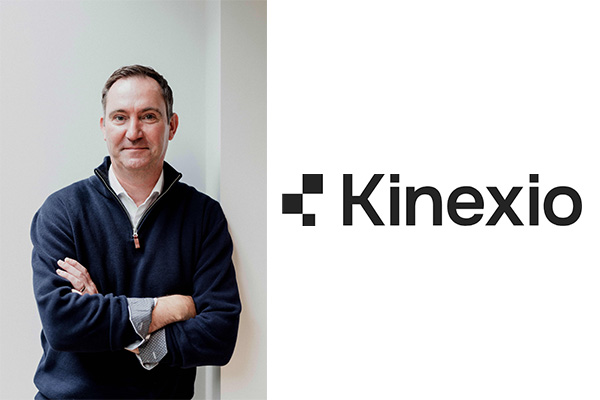
Long-term leases and predictable returns are no longer the bedrock of retail real estate. In a post-pandemic world shaped by volatile consumer habits, economic uncertainty, and omnichannel disruption, landlords face a new reality: Tenants demand agility, landlords need security, and the lease itself has become a delicate balancing act. David Fuller-Watts, CEO of Kinexio, explains: From short-term pop-ups to turnover-based rents, the rules are being rewritten, and technology may be the key to turning risk into resilience.
We use cookies on our website to give you the most relevant experience by remembering your preferences and repeat visits. By clicking “Accept All”, you consent to the use of ALL the cookies. However, you may visit "Cookie Settings" to provide a controlled consent.
This website uses cookies to improve your experience while you navigate through the website. Out of these, the cookies that are categorized as necessary are stored on your browser as they are essential for the working of basic functionalities of the website. We also use third-party cookies that help us analyze and understand how you use this website. These cookies will be stored in your browser only with your consent. You also have the option to opt-out of these cookies. But opting out of some of these cookies may affect your browsing experience.
Necessary cookies are absolutely essential for the website to function properly. These cookies ensure basic functionalities and security features of the website, anonymously.
Cookie
Duration
Description
cookielawinfo-checkbox-advertisement
1 year
Set by the GDPR Cookie Consent plugin, this cookie is used to record the user consent for the cookies in the "Advertisement" category .
cookielawinfo-checkbox-analytics
11 months
This cookie is set by GDPR Cookie Consent plugin. The cookie is used to store the user consent for the cookies in the category "Analytics".
cookielawinfo-checkbox-functional
11 months
The cookie is set by GDPR cookie consent to record the user consent for the cookies in the category "Functional".
cookielawinfo-checkbox-necessary
11 months
This cookie is set by GDPR Cookie Consent plugin. The cookies is used to store the user consent for the cookies in the category "Necessary".
cookielawinfo-checkbox-others
11 months
This cookie is set by GDPR Cookie Consent plugin. The cookie is used to store the user consent for the cookies in the category "Other.
cookielawinfo-checkbox-performance
11 months
This cookie is set by GDPR Cookie Consent plugin. The cookie is used to store the user consent for the cookies in the category "Performance".
CookieLawInfoConsent
1 year
Records the default button state of the corresponding category & the status of CCPA. It works only in coordination with the primary cookie.
elementor
never
This cookie is used by the website's WordPress theme. It allows the website owner to implement or change the website's content in real-time.
viewed_cookie_policy
11 months
The cookie is set by the GDPR Cookie Consent plugin and is used to store whether or not user has consented to the use of cookies. It does not store any personal data.
Functional cookies help to perform certain functionalities like sharing the content of the website on social media platforms, collect feedbacks, and other third-party features.
Performance cookies are used to understand and analyze the key performance indexes of the website which helps in delivering a better user experience for the visitors.
Analytical cookies are used to understand how visitors interact with the website. These cookies help provide information on metrics the number of visitors, bounce rate, traffic source, etc.
Cookie
Duration
Description
_ga
2 years
The _ga cookie, installed by Google Analytics, calculates visitor, session and campaign data and also keeps track of site usage for the site's analytics report. The cookie stores information anonymously and assigns a randomly generated number to recognize unique visitors.
_gat_gtag_UA_135750163_2
1 minute
Set by Google to distinguish users.
_gid
1 day
Installed by Google Analytics, _gid cookie stores information on how visitors use a website, while also creating an analytics report of the website's performance. Some of the data that are collected include the number of visitors, their source, and the pages they visit anonymously.
Advertisement cookies are used to provide visitors with relevant ads and marketing campaigns. These cookies track visitors across websites and collect information to provide customized ads.