In a city where scorching summers drive daily life indoors, malls must function not only as retail destinations but as community centers – places to gather, socialize, work, dine, and even exercise.
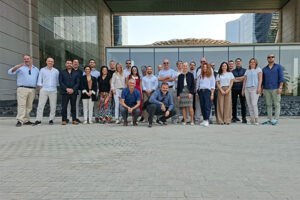
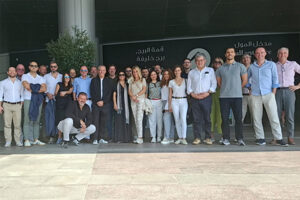
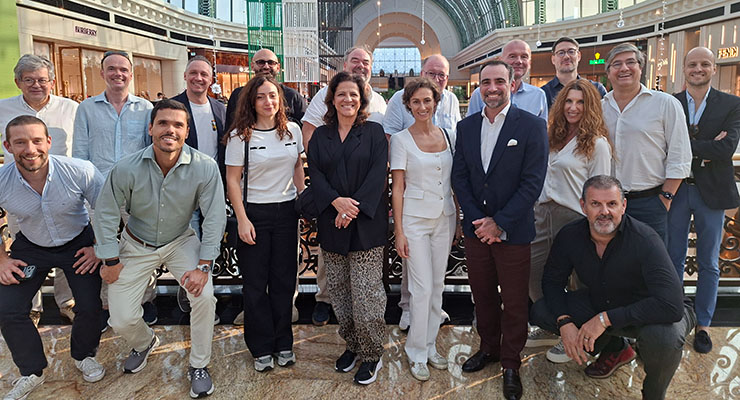
On day three of the ACROSS Study Tour, participants explored three malls that embody this community-first approach: Al Ghurair Center, Dubai Hills Mall, and Mall of the Emirates. They differ in history, scale, and positioning, but all share a common mission: stay relevant, stay local, stay essential.
Al Ghurair Centre, the Original Community Anchor
When it opened in 1981, Al Ghurair Center became Dubai’s first mall – a pioneering development in what was then a very different city. More than four decades later, it remains one of the emirate’s most deeply rooted neighborhood hubs, even as glossier competitors rise around it.
Longevity, however, is never guaranteed in a place where the urban landscape changes almost overnight. “This is like a history, a 44-year-old mall,” says Janice Sanpedro, Vice President Retail Leasing. Yet she sees the mall’s age not as a challenge, but a competitive advantage: character, familiarity, and authenticity in a market crowded with polished new builds.
From Shopping Destination to Daily Meeting Point
Al Ghurair’s evolution mirrors the evolution of Dubai itself. “Ten years ago the best performing category was fashion. But now the best performing category is F&B,” Sanpedro notes. People no longer come primarily to shop – they come to meet.
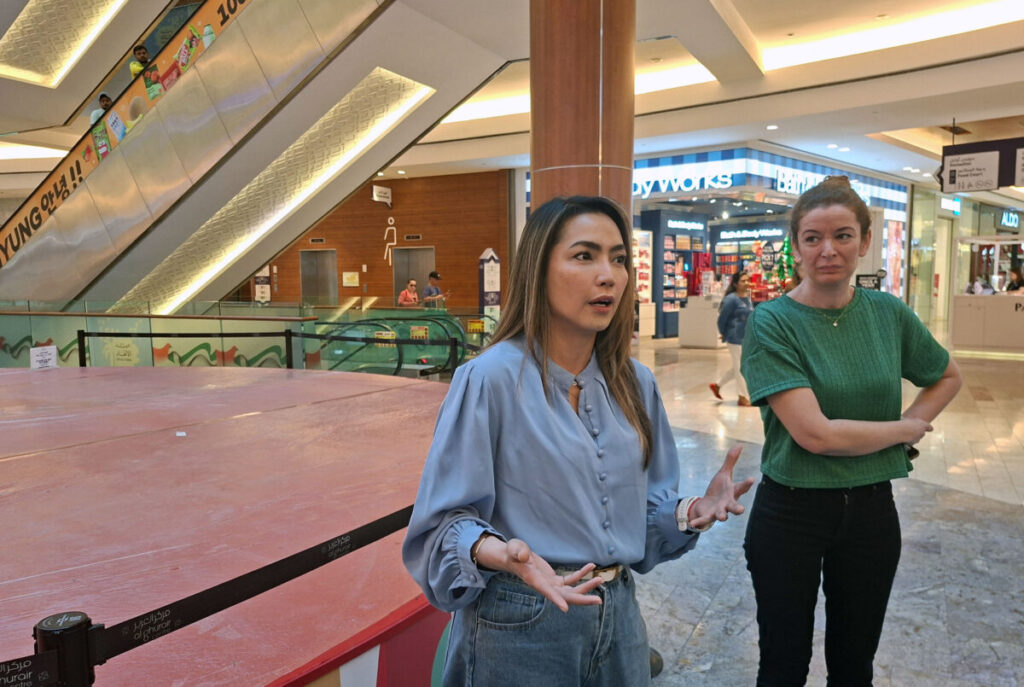
The change isn’t accidental. As lifestyles evolved, Al Ghurair’s leasing strategy evolved with it. The center now targets a 35–40% F&B share of GLA. And being situated in a crowded retail district, Al Ghurair intentionally avoids being everything to everyone. “Al Ghurair now focuses on differentiating in a sports lifestyle,” Sanpedro says. As a result, the mall carries some of the city’s biggest Nike and Sun & Sand Sports stores, anchoring a segment few nearby malls specialize in.
A Mall Where People Literally Live
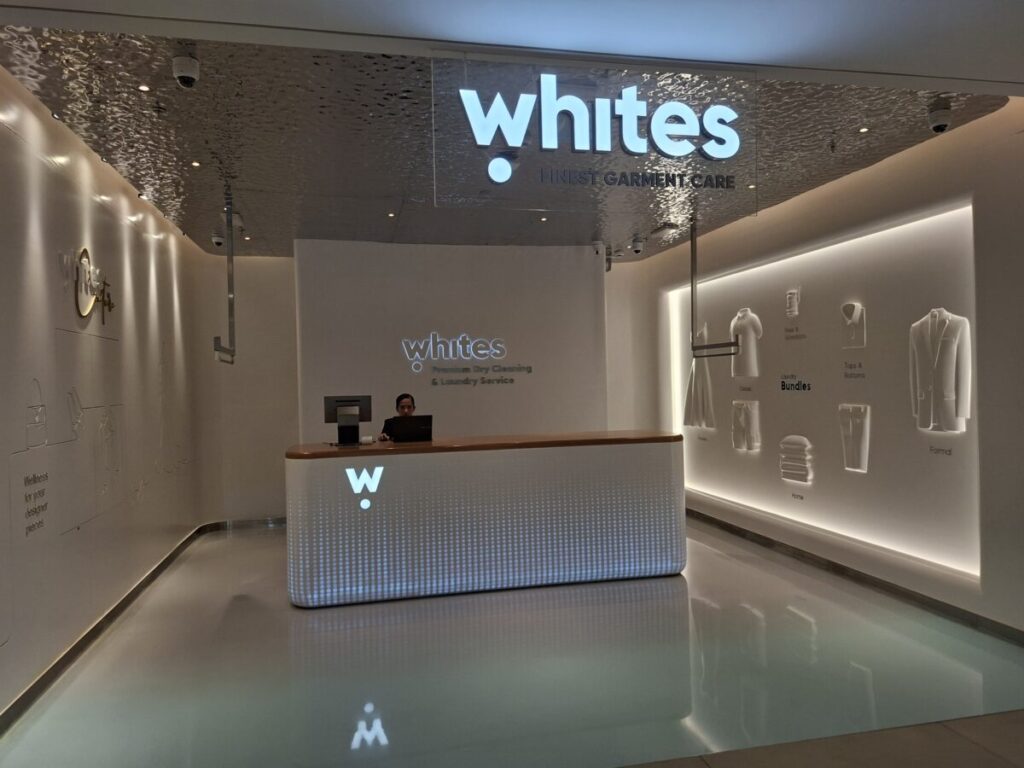
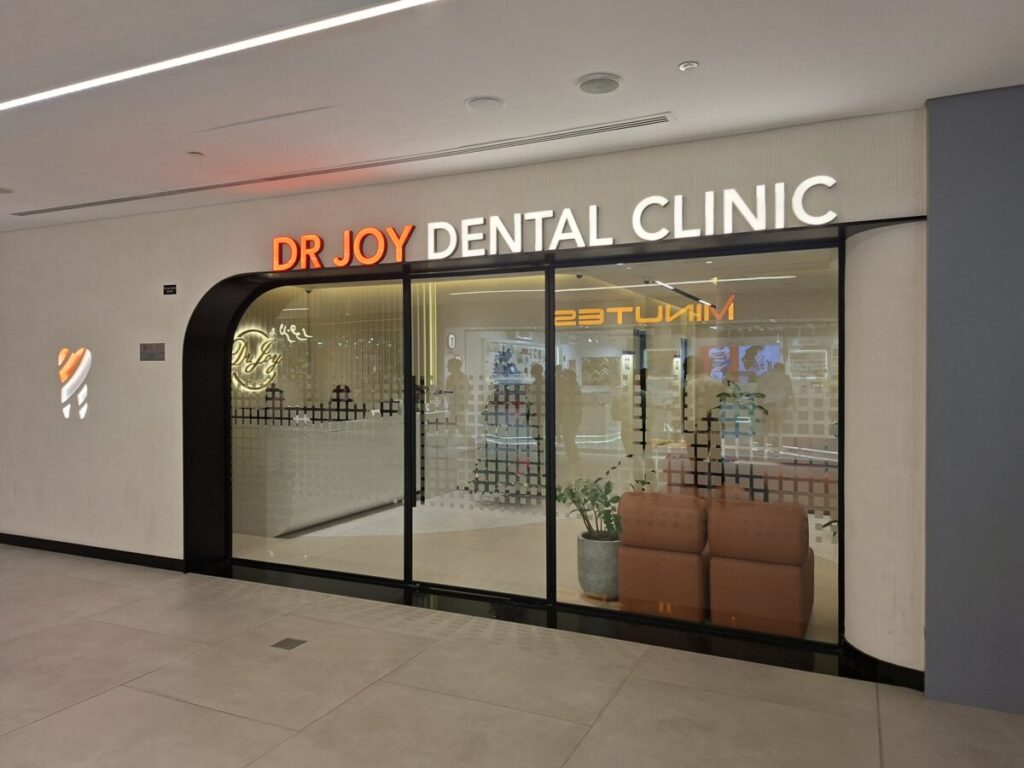
A unique architectural feature shapes both the operational complexity and the mall’s identity: The mall is directly interconnected with residential towers, an arrangement unique in Dubai. To many people the mall isn’t just a place to shop – it is, in many ways, an extension of their home. This proximity drives an emphasis on services such as clinics, hospitals, and day-to-day conveniences.
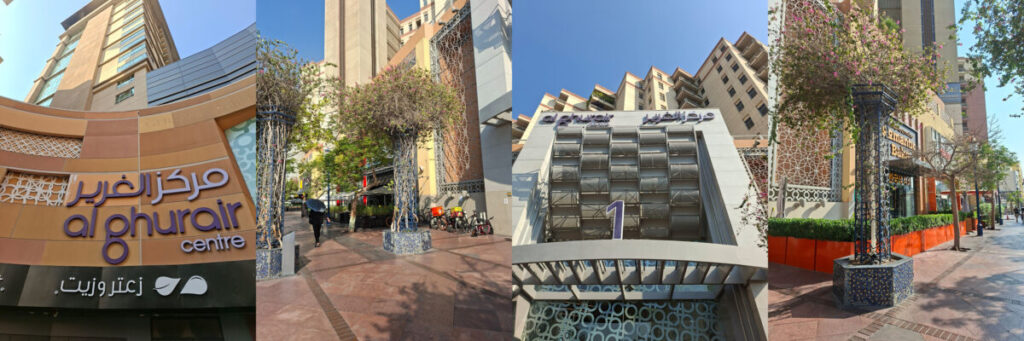
“The mall is not only for shopping,” Sanpedro says. “It should be the community center, where you live and work.” This proximity drives demand for clinics, services, and everyday conveniences that deepen the mall’s neighborhood identity.
Reclaiming Heritage with Glitch
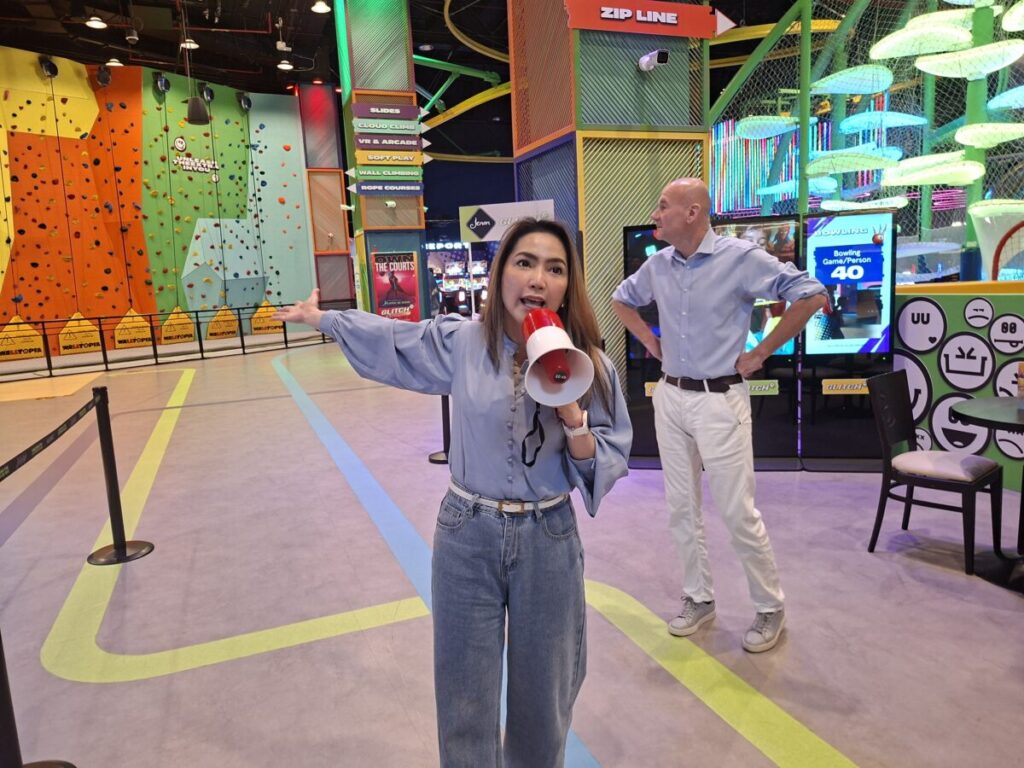
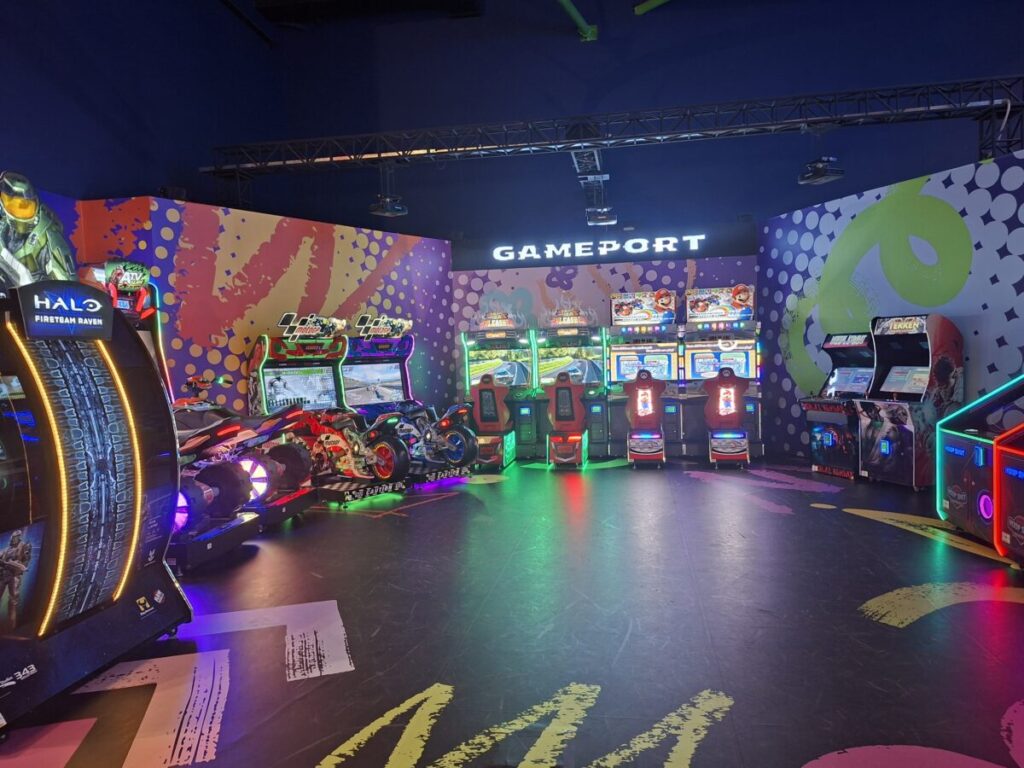
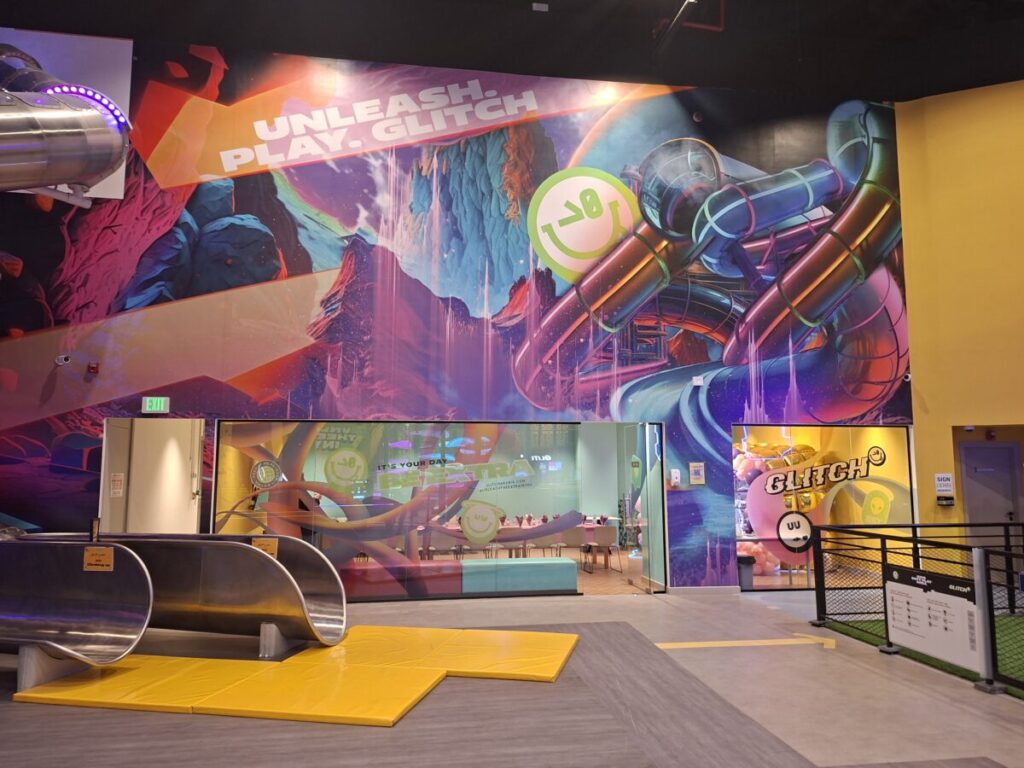
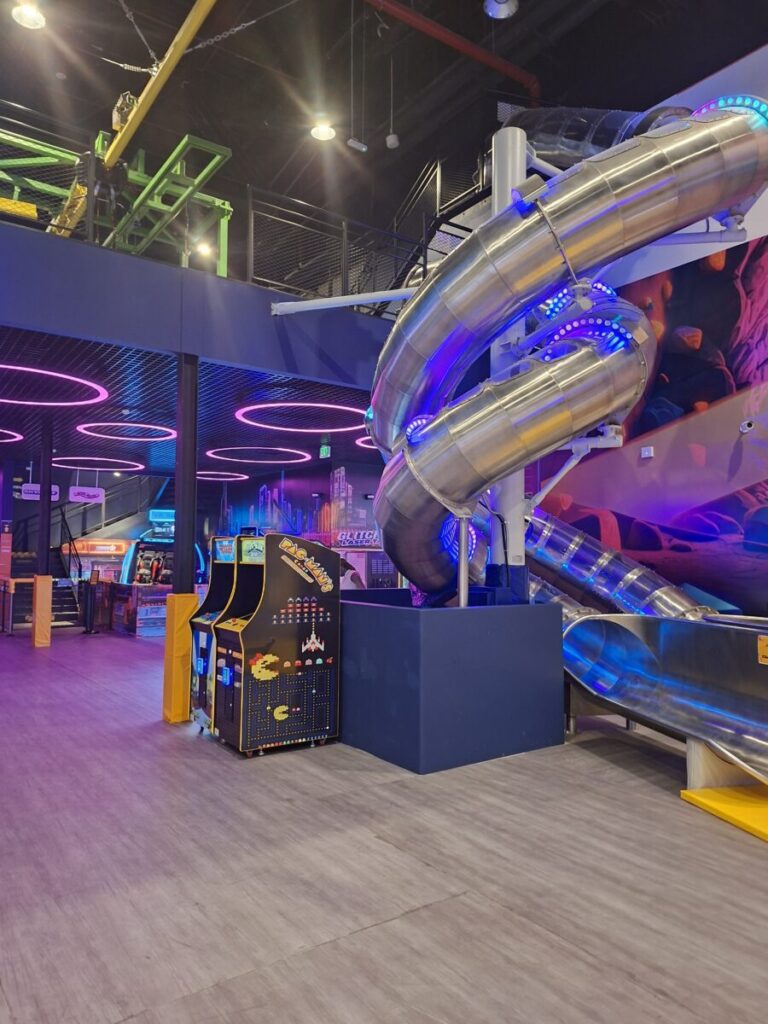
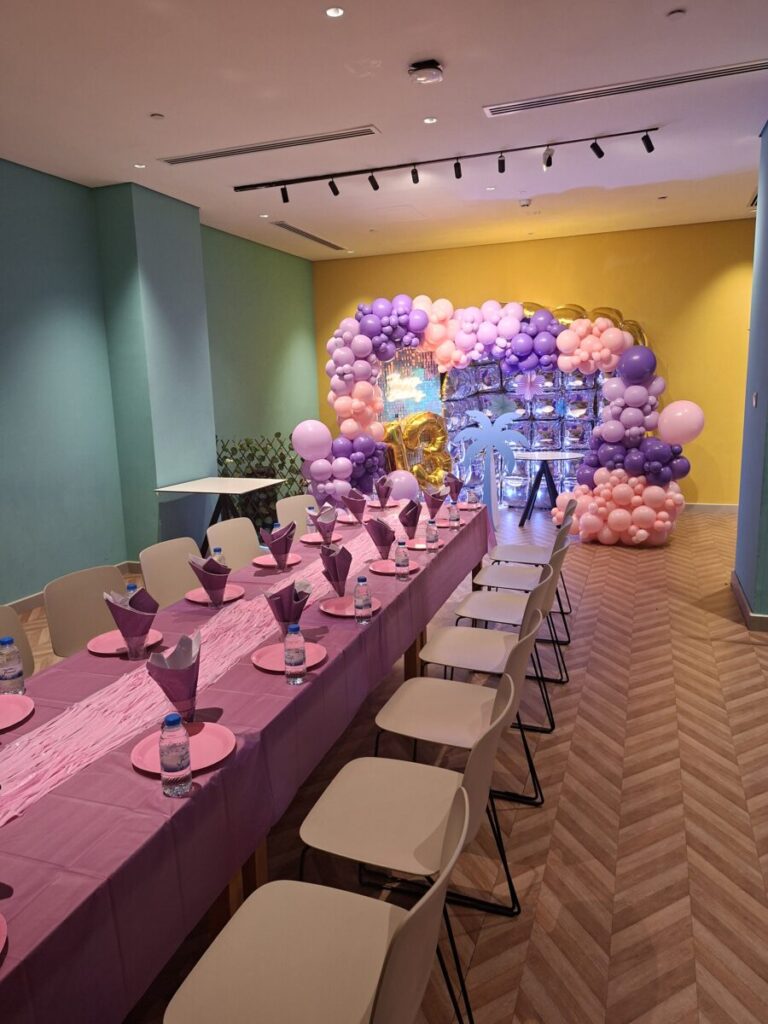
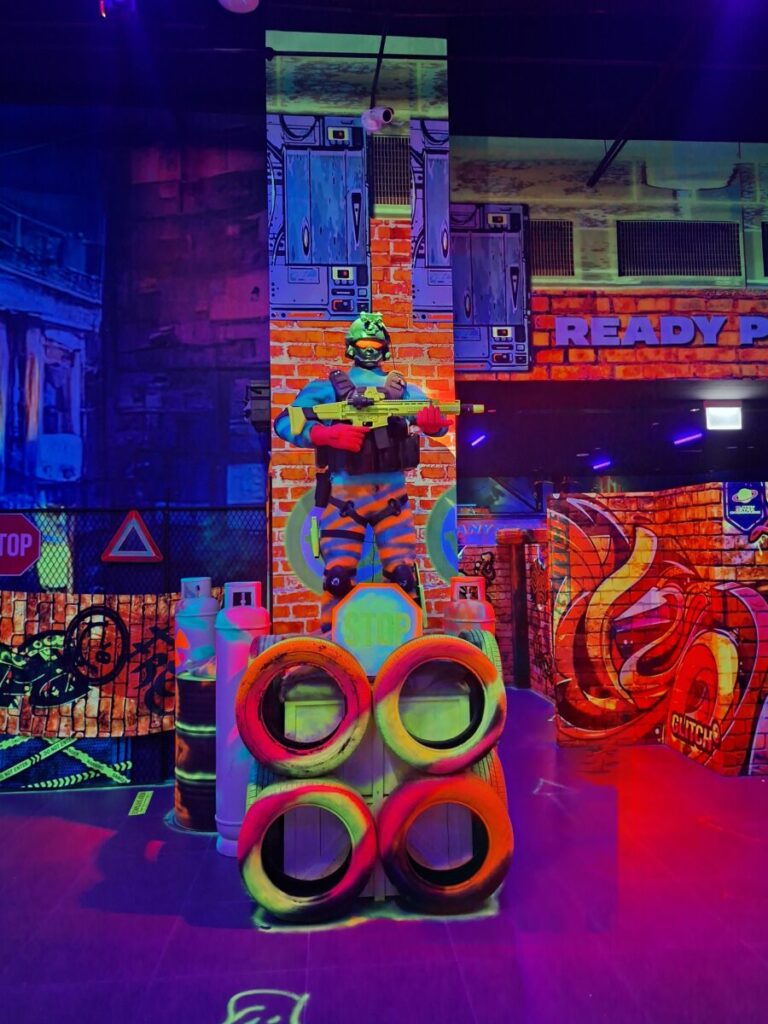
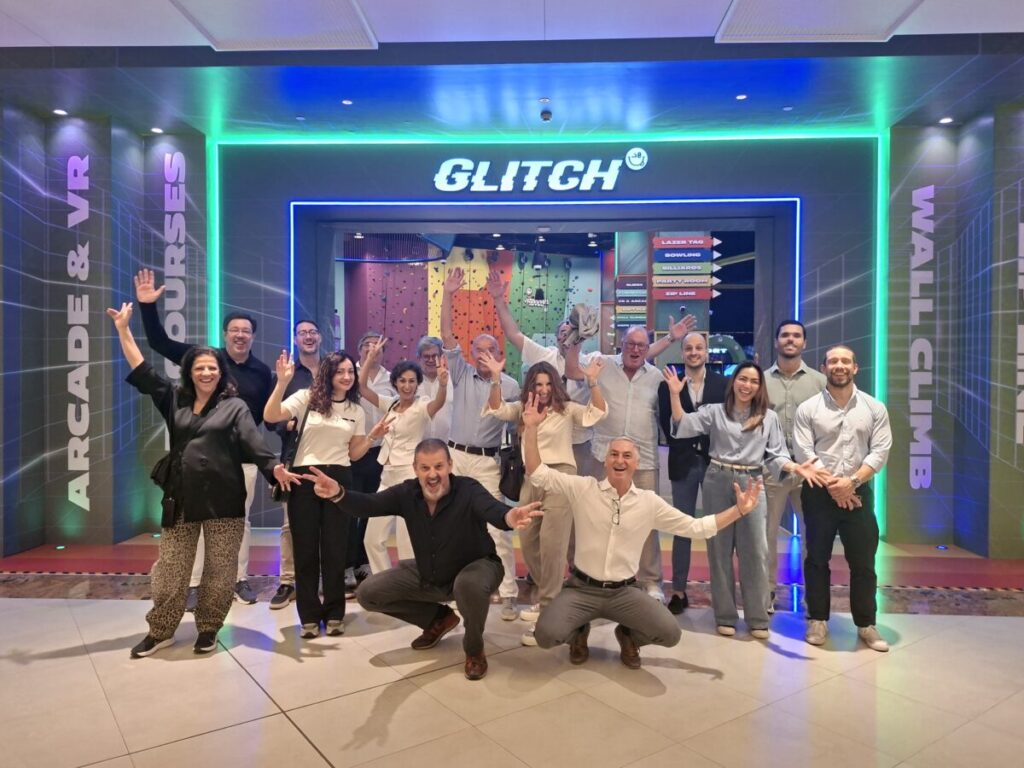
Community connection also means honoring local memory. For Emiratis who grew up in Dubai, the original Sinbad’s entertainment center at Al Ghurair was a beloved childhood landmark. Instead of replacing that memory, the mall management decided to reinvent it with Glitch, a 50,000-sq-ft homegrown adventure concept operated in-house.
Glitch avoids traditional arcades and offers physical activities – wall climbing, ninja courses, laser tag, bowling – designed for today’s social habits.
“This is the disruption to the traditional entertainment center,” Sanpedro says. Glitch has become so successful that expansion and franchising are now under consideration.
Taking Full Control of F&B
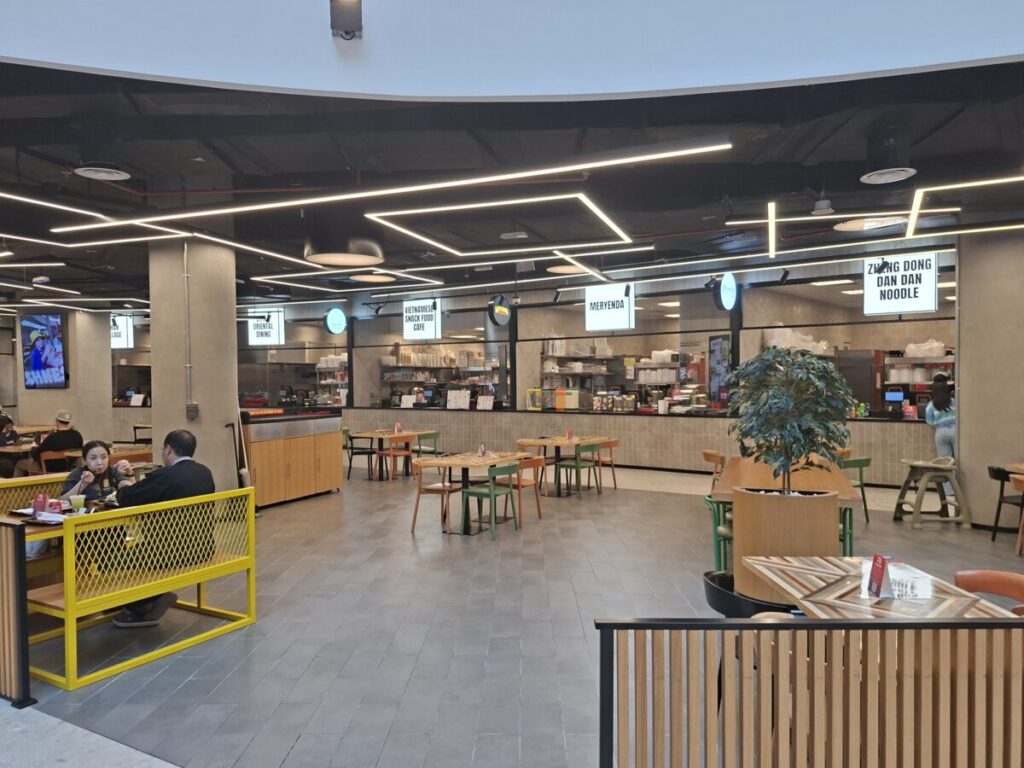
And there are more new and fresh ideas to revive the heritage. A new food hall reinforces the mall’s hands-on approach. Managed entirely in-house, it allows the team to curate every detail – from tenant mix and menu approvals to packaging and branding.
Angela Guastella, Vice President Retail Relations, explains: “We wanted everything to be ours. Number one, control of uniformity. Number two, because we can get less global brands that have unique food.”
Guastella and her team are in control of every detail at the food hall. Performance is monitored via the POS system and yearly contracts keep the concept agile and responsive to the mall’s hyper-local base. Allowing the mall to rotate underperforming operators and tailor concepts precisely to its demographic. “If the tenants perform well, we perform well,” Guastella says.
Dubai Hills Mall – the New Community Hub
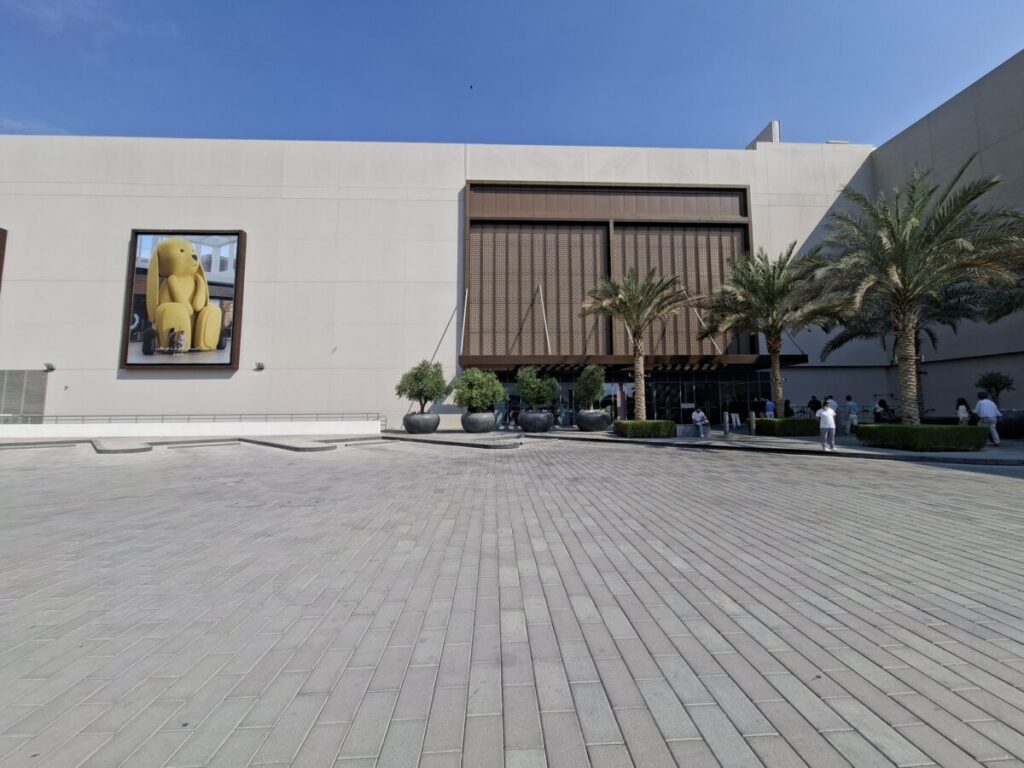
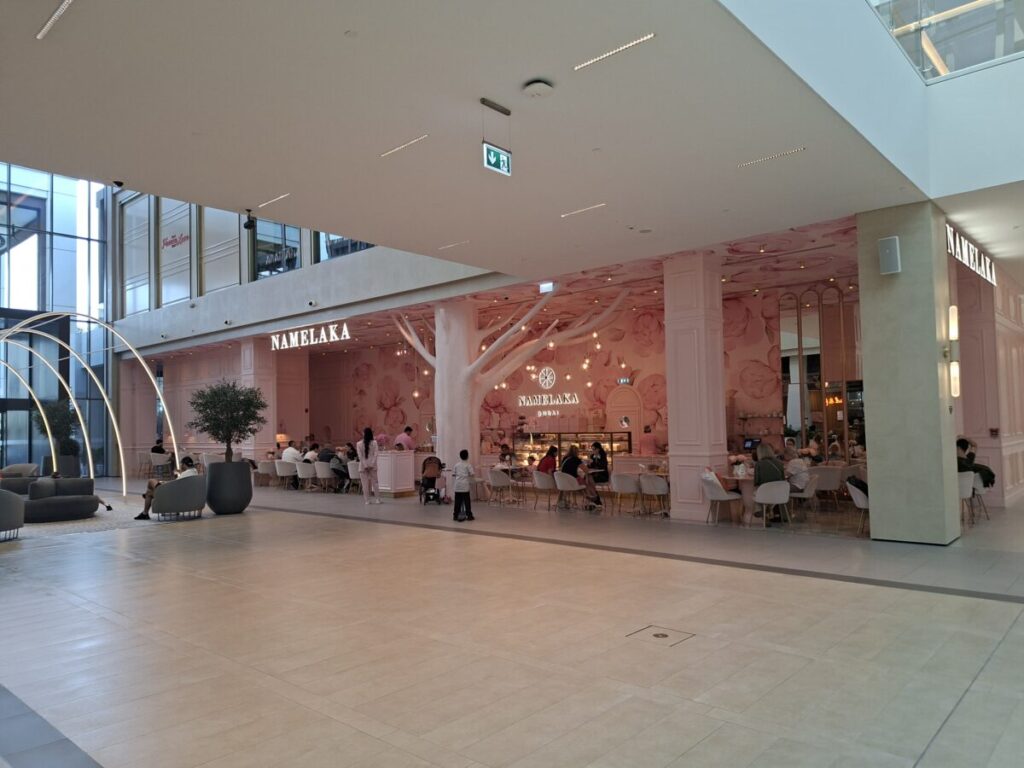
If Al Ghurair represents the city’s heritage, Dubai Hills Mall reflects its present – a place where mall-going isn’t just commerce, but routine life. And a glamorous life as well.
The mall resides in the center of the new ultra-luxury residential area Dubai Hills, developed by the ubiquitous Emaar Properties with expansive villas, landscaped neighborhoods and an 18-hole golf course.
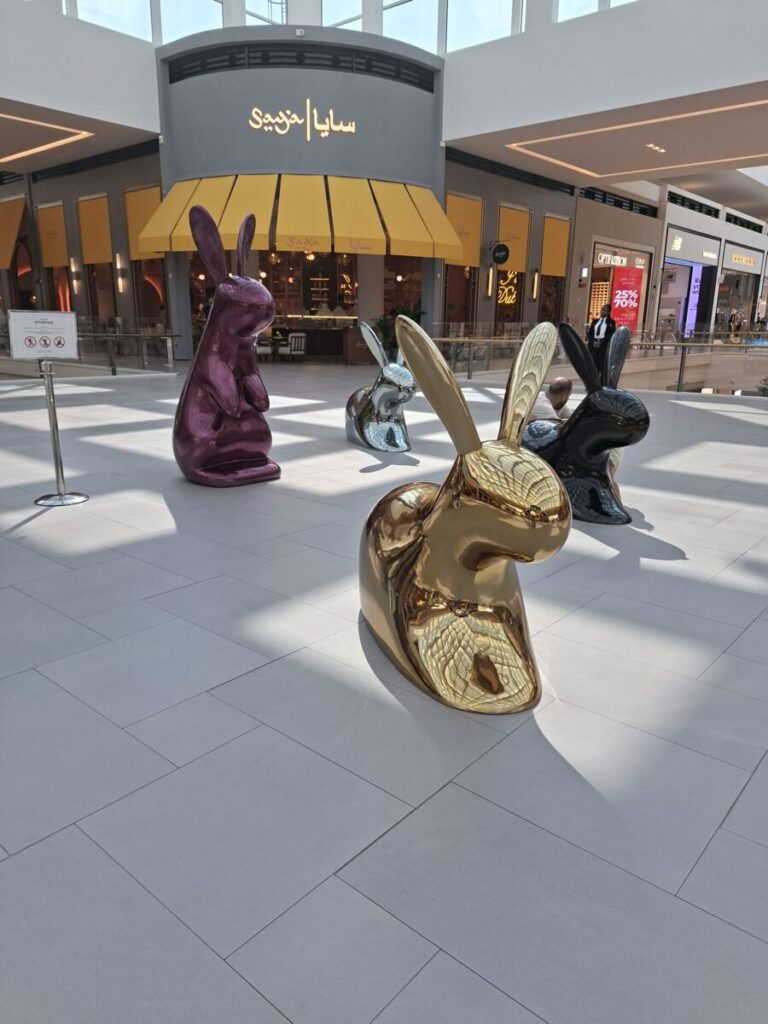
With a catchment area of 300,000 residents, Dubai Hills Mall serves as a climate-controlled extension of everyday life for one of the city’s wealthiest communities.
Built for Residents, Not Tourists
“This is not a tourist place. Everything is built for the community here,” says Will Odwarka, founder of Heartatwork Hospitality Consulting. A large cinema, diverse F&B options, convenience retail, and adjacent office space create a weekly rhythm of visits.
The mall also has an unexpected role: morning fitness venue. “The mall opens at 6:00 or 7:00 in the morning,” Odwarka explains. “Shops are closed, but people come to run and then have breakfast.”
The concept was recently validated when Sheikh Hamdan launched a nationwide indoor mall marathon at Dubai Hills.
Entertainment as an Anchor, Not a Sideshow
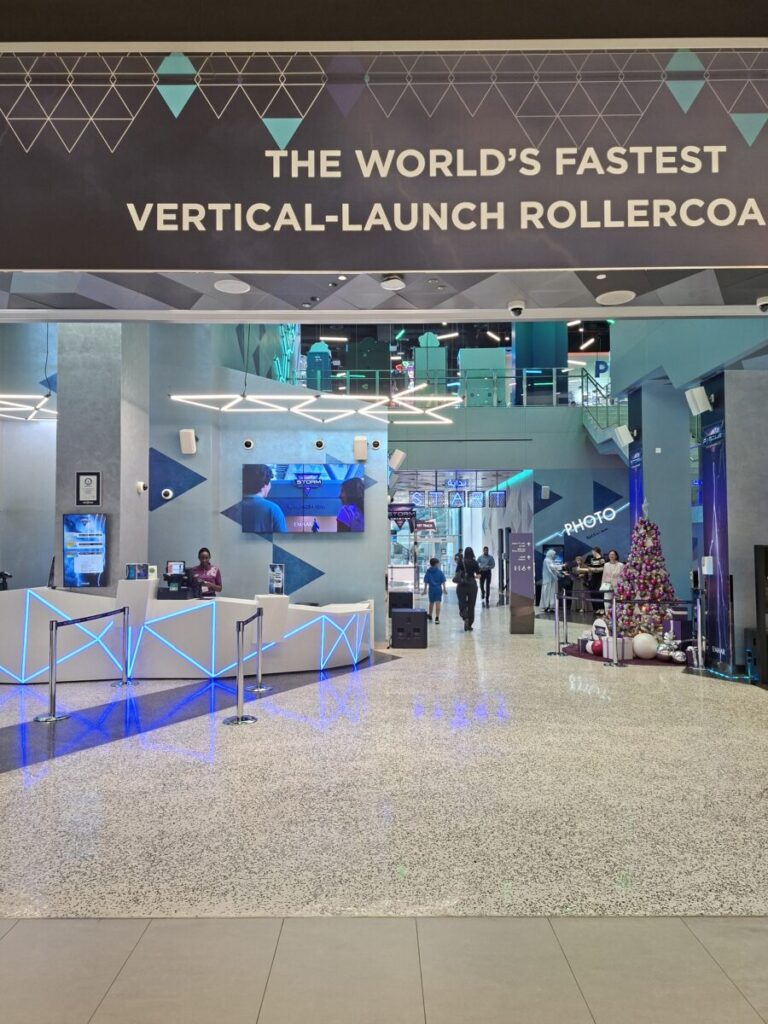
Of course, this is still Dubai – entertainment matters. Dubai Hills Mall includes one of the city’s most surprising indoor attractions: a roller coaster threading through a glass silo.
Add a cryo chamber, terrace dining, and a simple, navigable layout, and the result is a mall built for frequency, not only one-time spectacle.
Mall of the Emirates: Luxury and Entertainment
If Dubai Hills Mall is the present and Al Ghurair the past, the Mall of the Emirates (MOE) is the future – built on legacy but redesigned to stay ahead of competition. Guillaume Chuzel, Head of Leasing at Majid Al Futtaim, outlines the mall’s profile:
- 50 million annual visitors
- 12.5 billion USD in sales (record year)
- 600 stores
- A catchment that is “really a healthy and wealthy catchment area.”
Phil McArthur, who was part of the original development team in the late 1990s, recalls its unlikely beginnings.
“In 1998 the area was emptiness. Everyone thought Majid Al Futtaim was crazy because Dubai was 20km away.”
But visionary planning – off-ramps from the Sheikh Zayed Road leading directly into a five-level parking deck, anchor clustering, short walking distances – turned the mall into a money-machine. And rapidly growing city has long since embraced the mall.
McArthur: “I can tell you it’s one of the most successful regional malls in the world. Sales are maybe 1,400 or 1,500 USD per square foot and rental is averaging about 200 USD.”
Ski Dubai, Game-Changing Icon
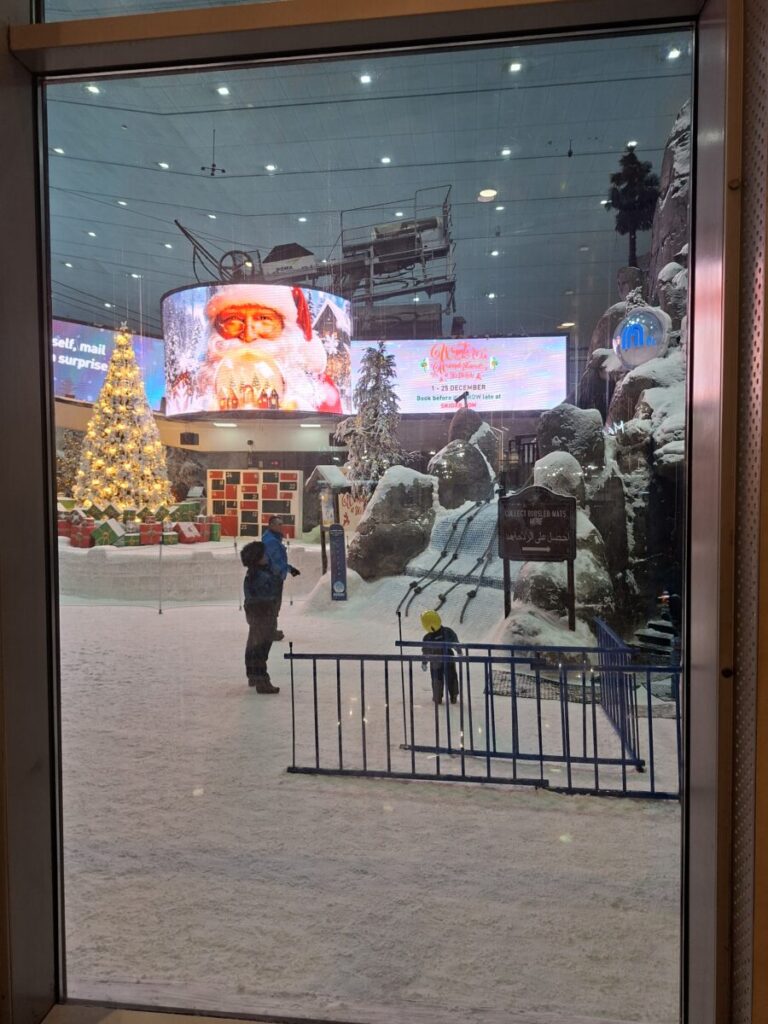
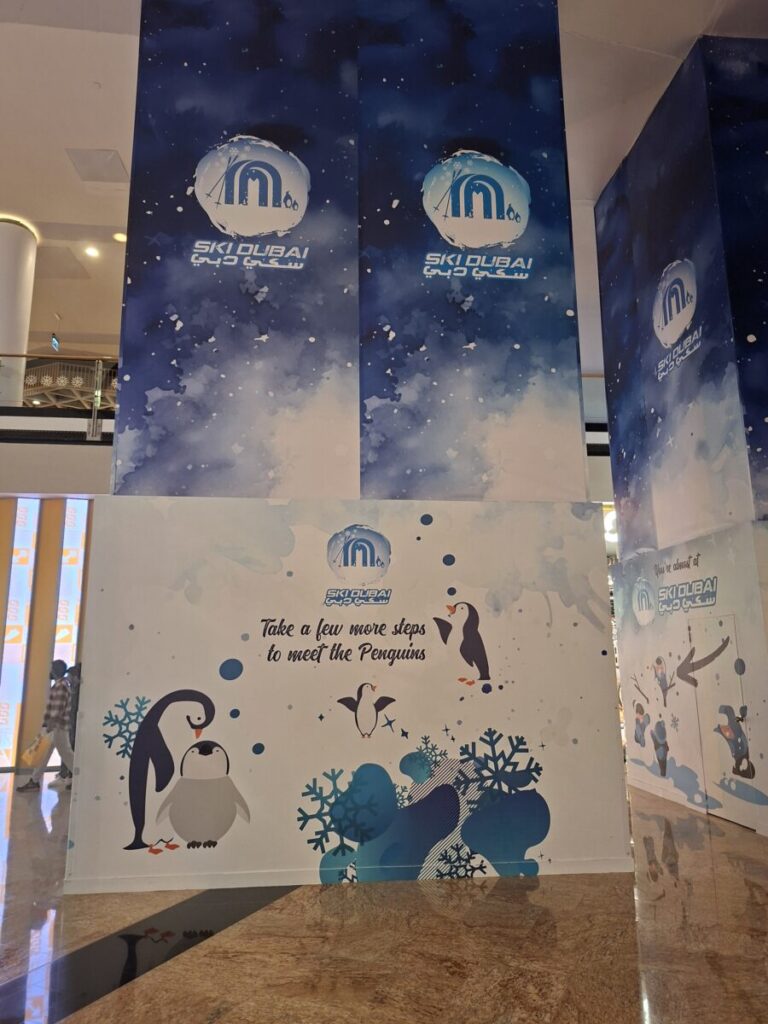
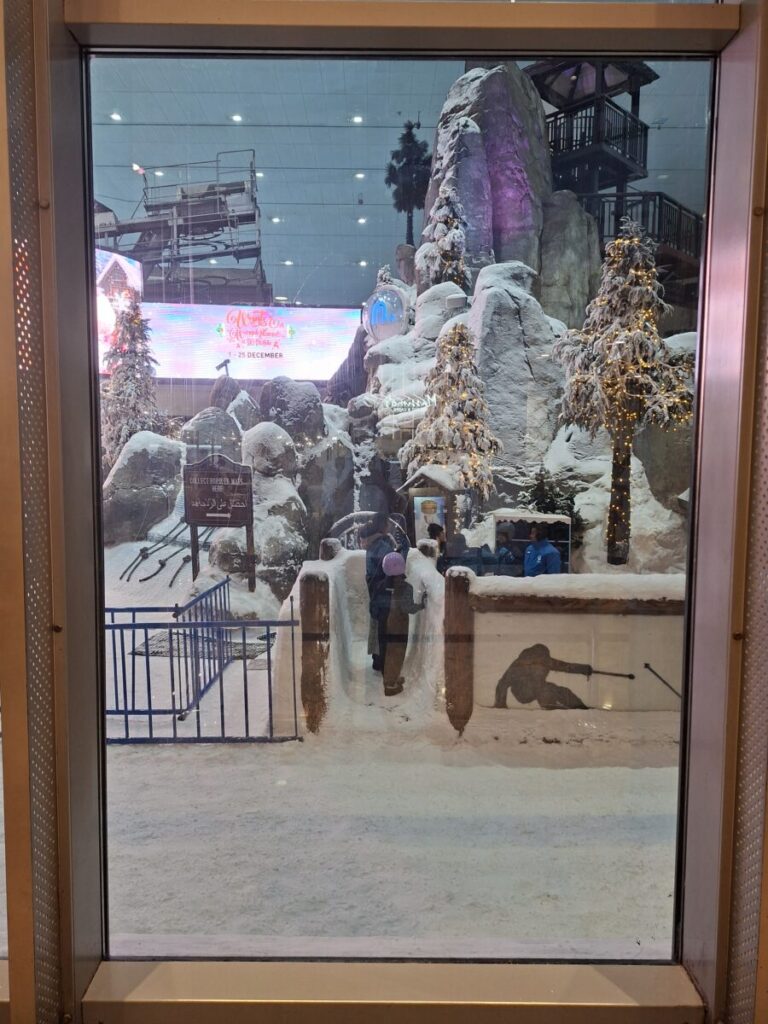
What really put the mall on the map in 2005 was its unique entertainment offer. Ski Dubai, the world’s largest indoor-snow park. On a 22,500 m² snow-covered area, there are five slopes of varying difficulty, elevation, and gradient. The longest slope is 400 meters with a vertical drop of 60 meters. There are also a 90-meter-long halfpipe, a four-person chairlift, a T-bar lift, and a magic carpet. For children and their parents, there is a 3,000 m² snow park with toboggan and bobsled runs.
The ski hall originally was thought to be a loss leader, but instead it turned out to be a unique attraction that attracted even more people and boosted the mall even further.
Repositioning and Reshaping focus
But business is never for sure, not even in such an environment and with the given advantage that residents prefer to come to MOE to shop rather than the tourist-heavy Dubai Mall.
Consequently, MOE is reshaping its focus. There are two pillars to the new strategy. The first is focusing on luxury and the second being a complete overhaul of the Food & Beverage offer.
The goal is to position the Mall Of Emirates as the leading local luxury mall.
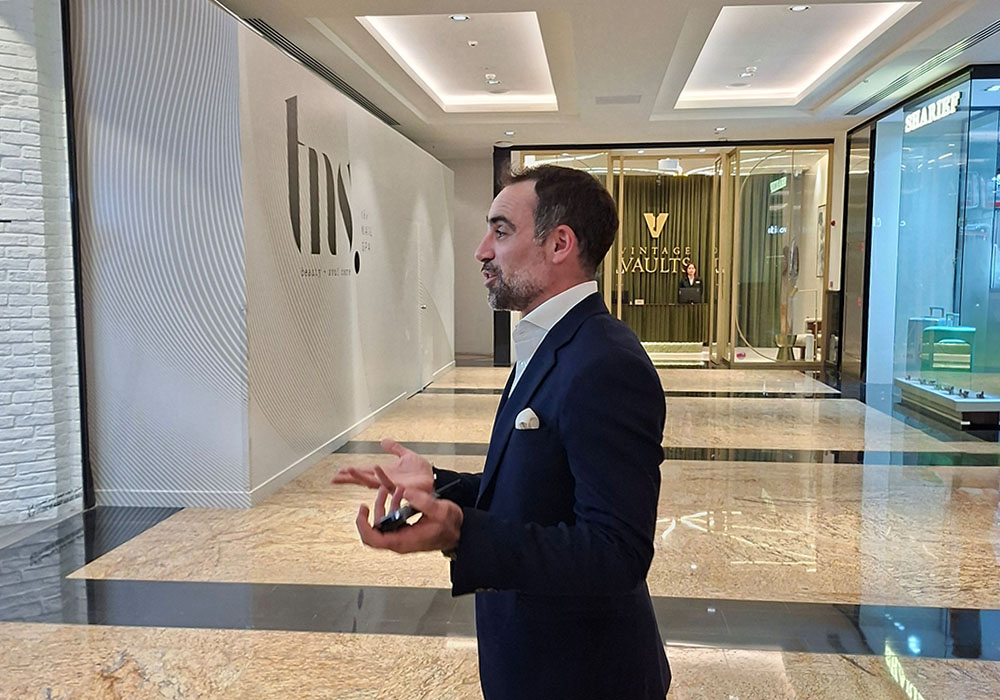
Chuzel: “We need to increase and improve the luxury customer journey and offer. Phase one was increasing the size of all the current stores. We have expanded Chanel, Saint Laurent and Gucci. Last year Dior opened and two weeks ago Louis Vuitton opened on 2,200m². We now have all the big companies in flagship size. Now, phase two is to push the wall of the luxury district to be able to bring new brands.”
Moncler, Alaïa, and Chloé will be among the first new brands to move into the mall. But Cuzel is aware that MOE needs to increase its luxury offer even further to make sure that the malls stays ahead of the competition. “And that we build more of the Emirates of tomorrow,” as Cuzel puts it.
F&B Overhaul: From 9% GLA to a Full Food District
The second pillar of the management’s new strategy is a complete overhaul of the Food & Beverage offer. Currently only 9% of GLA is dedicated to F&B, “which is far, far from where it should be,” Chuzel admits frankly.
As a consequence, MOE is investing €120+ million (500 million AED) in The Hangout, a new food district that replaces the outdated food court to build a premium F&B experience with:
- 12 restaurants and pavilions
- natural daylight
- outdoor areas usable 6–7 months per year
- integrated leisure concepts
Chuzel: “The mall’s last extension of memory is from 2015. Since then, nothing much really happened apart from a few minor improvements. The new food district is one of the biggest project that we’re putting in place.”
A Common Thread: Hyper-Local Relevance
In Dubai’s hypercompetitive retail landscape, relevance is not won by size or spectacle alone. It is earned through deep understanding of who the mall serves – and the willingness to evolve with them.
Despite their differences, the three malls share a common direction: putting the resident at the center of the strategy. In a city known for global ambition, these malls show how powerful – and sustainable – retail can be when it leans into the rhythms and realities of local life.
- Al Ghurair protects and reinvents its heritage.
- Dubai Hills Mall embeds itself in daily life.
- Mall of the Emirates relentlessly innovates at the high end.
Together, they prove that in Dubai, the malls that thrive are the ones that never stop learning from their communities – and keep on serving them.